Scientists Uncover Huge Underground Structures in Major Geological Breakthrough
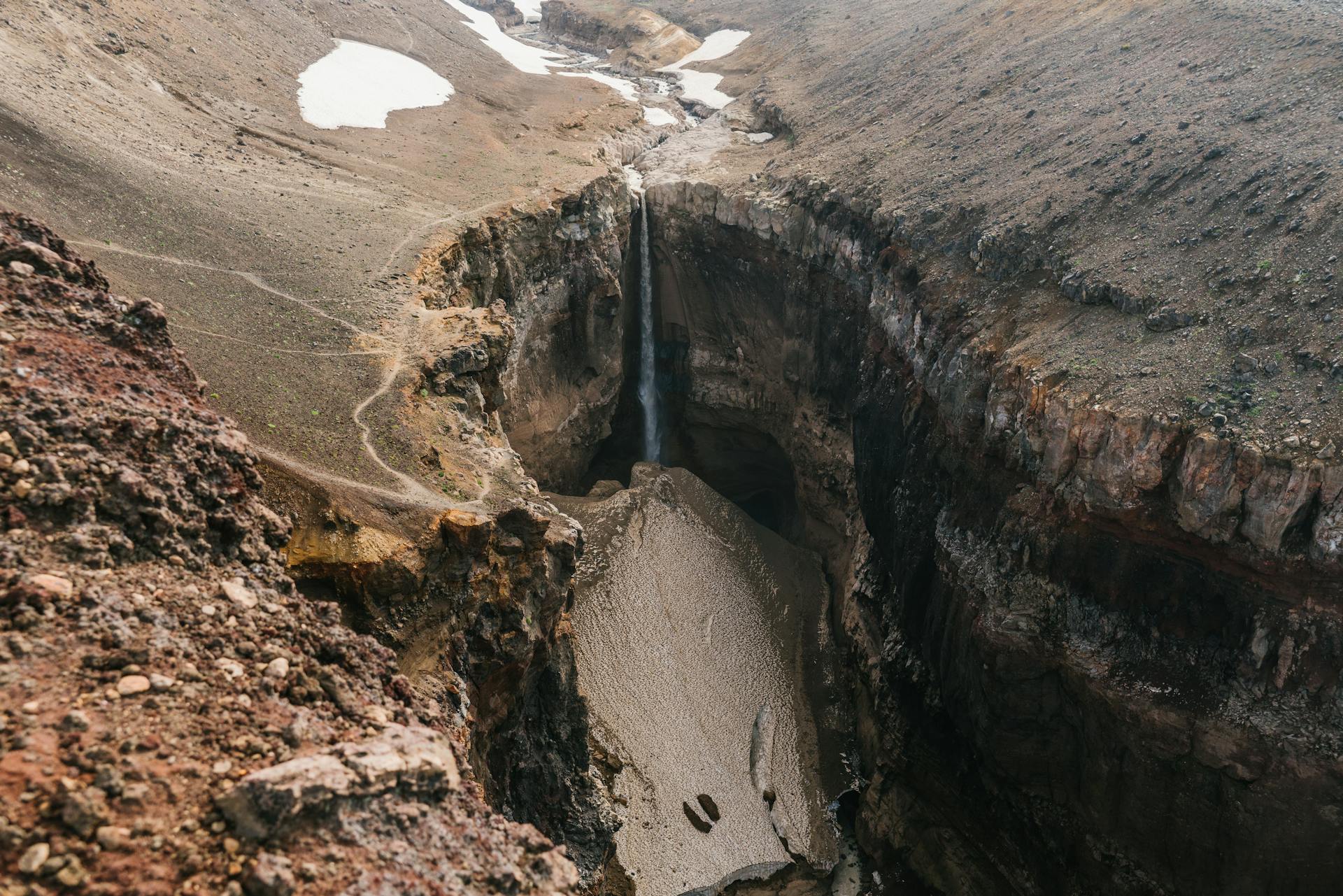

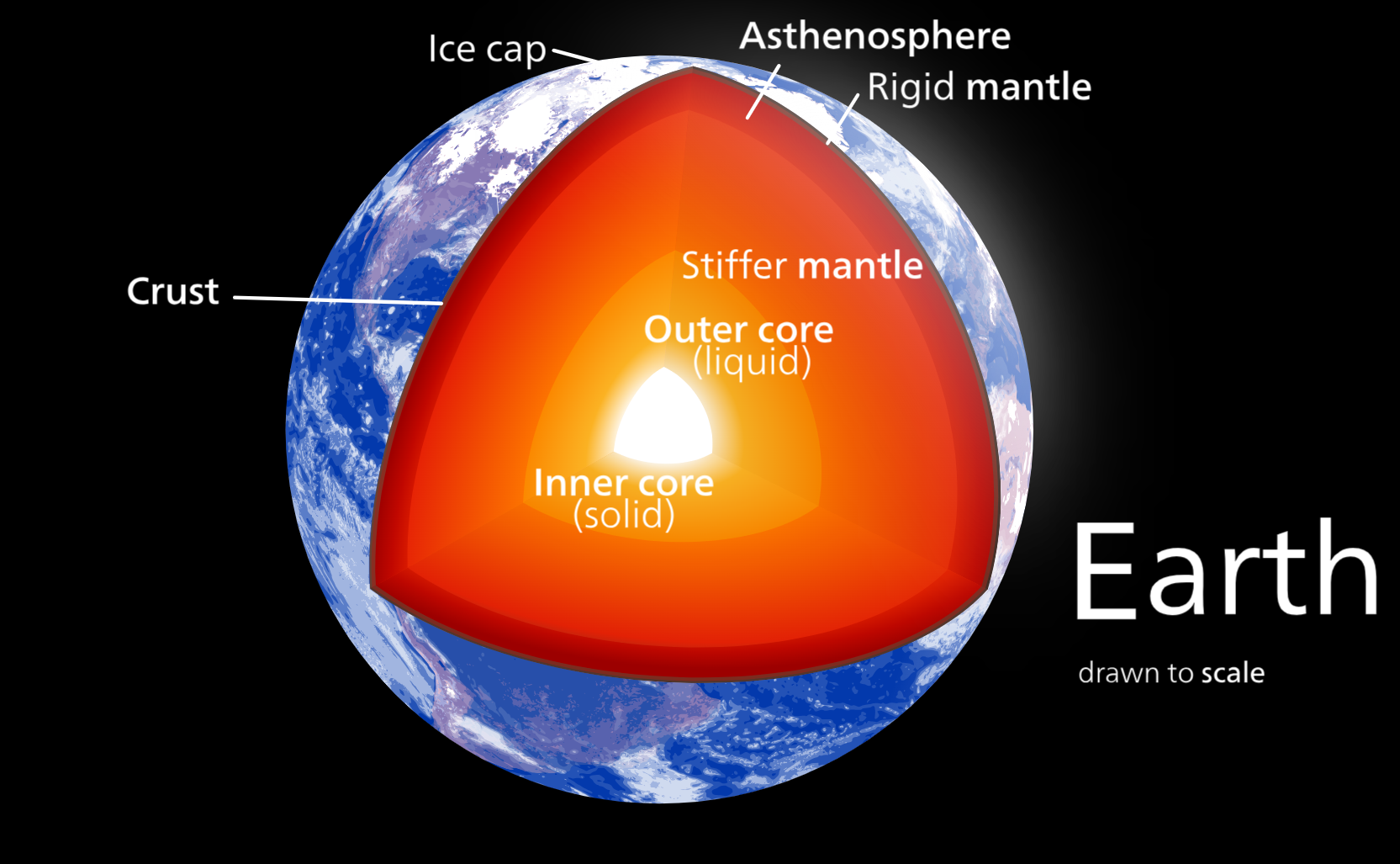
Scientists have uncovered massive underground structures buried nearly 2,900 kilometers beneath Earth’s surface, and the discovery is reshaping how researchers understand the planet’s interior. These continent-sized formations sit at the boundary between the mantle and the outer core. New research shows they are not temporary features but ancient, stable parts of Earth’s deep architecture.
Two Enormous “Islands”
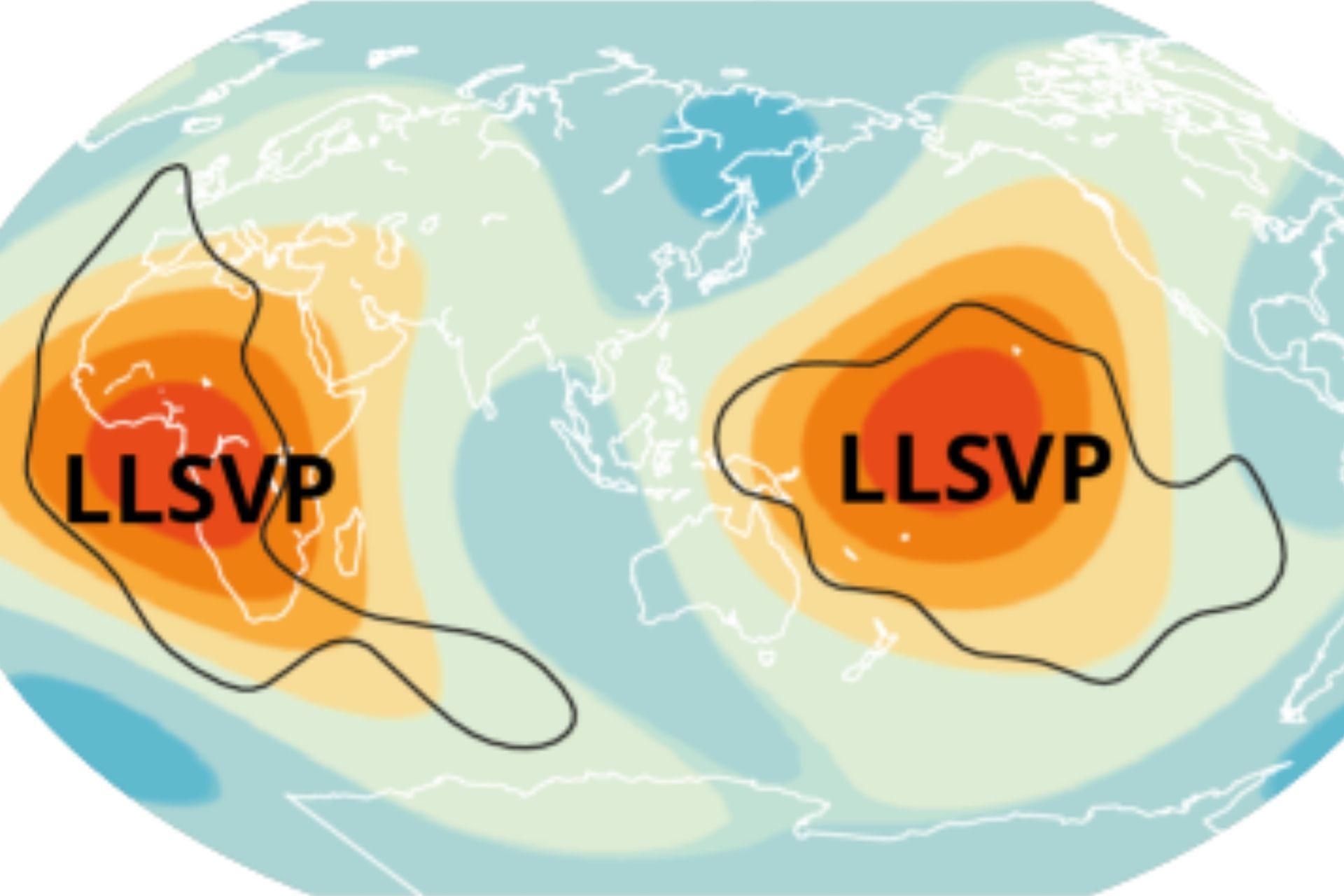
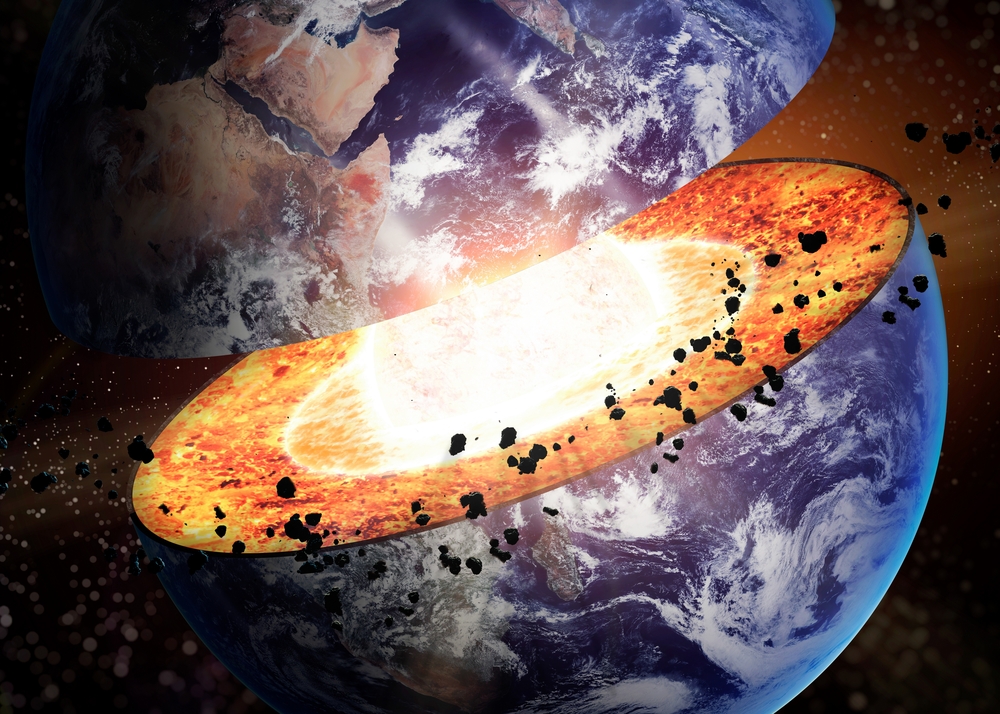
Deep inside the mantle lie two vast regions beneath Africa and the Pacific Ocean. New research led by Prof. Arwen Deuss at Utrecht University describes them as subterranean “islands” comparable in size to continents. They sit more than 2,000 kilometers below the surface, surrounded by what researchers call a “graveyard” of sunken tectonic plates. These formations are formally known as Large Low-Seismic-Velocity Provinces, or LLSVPs. Seismic waves slow noticeably as they pass through them, which first brought the regions to scientists’ attention.
Listening to Earth Ring
Seismologists study these hidden zones by analyzing vibrations from major earthquakes. When a powerful quake strikes, the entire planet oscillates like a bell, producing tones that travel through every layer. By measuring subtle changes in pitch and volume, researchers can map structures thousands of kilometers down. “Large earthquakes make the whole Earth ring like a bell with different tones,” Deuss explained in a news article published on the Utrecht University Press website. Those tones shift when they encounter anomalies, allowing scientists to reconstruct the mantle’s interior.
Slower Waves, Hotter Rock
The LLSVPs earned their name because seismic waves move more slowly through them, traveling through these regions lose speed compared to surrounding mantle material. That slowdown indicates the material is hotter. Heat alone, however, does not explain everything. The latest measurements revealed that seismic waves passing through these blobs lose less energy than expected.
A Surprising Signal
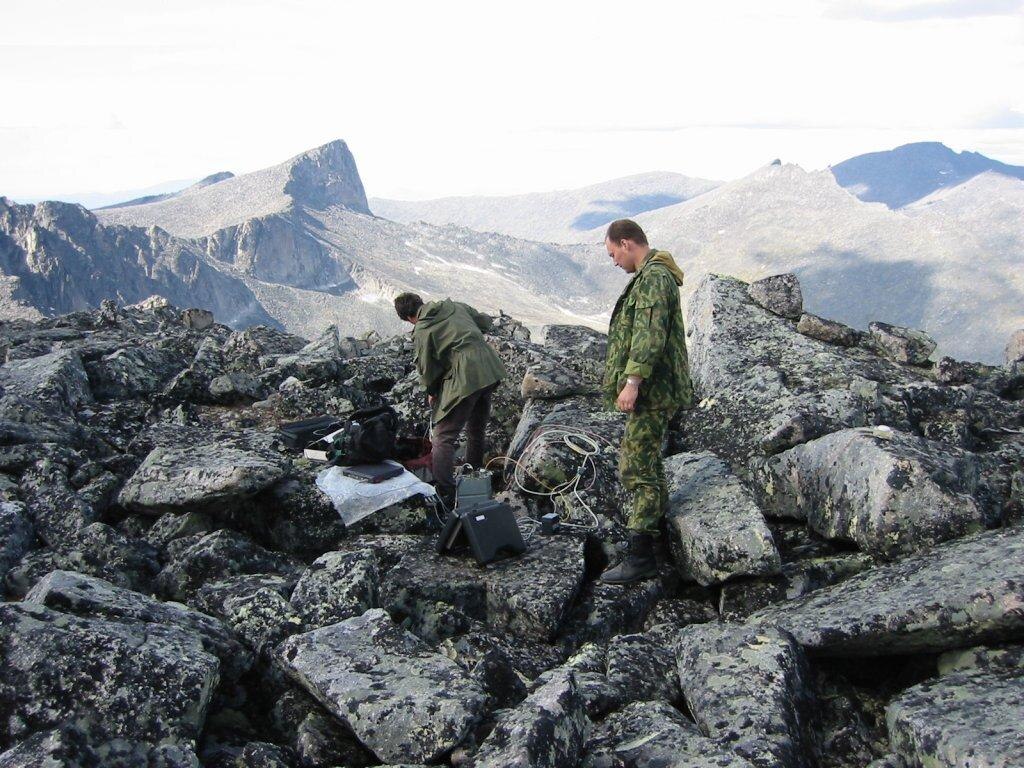
In addition to wave speed, Deuss and her team measured damping, which tracks how much energy seismic waves lose as they travel. Inside the LLSVPs, waves remained unusually strong, suggesting the rock transmits energy efficiently. That finding challenged assumptions. If these regions were simply hot and turbulent, scientists expected greater energy loss. Instead, the data pointed to a deeper structural difference.
The Grain-Size Clue
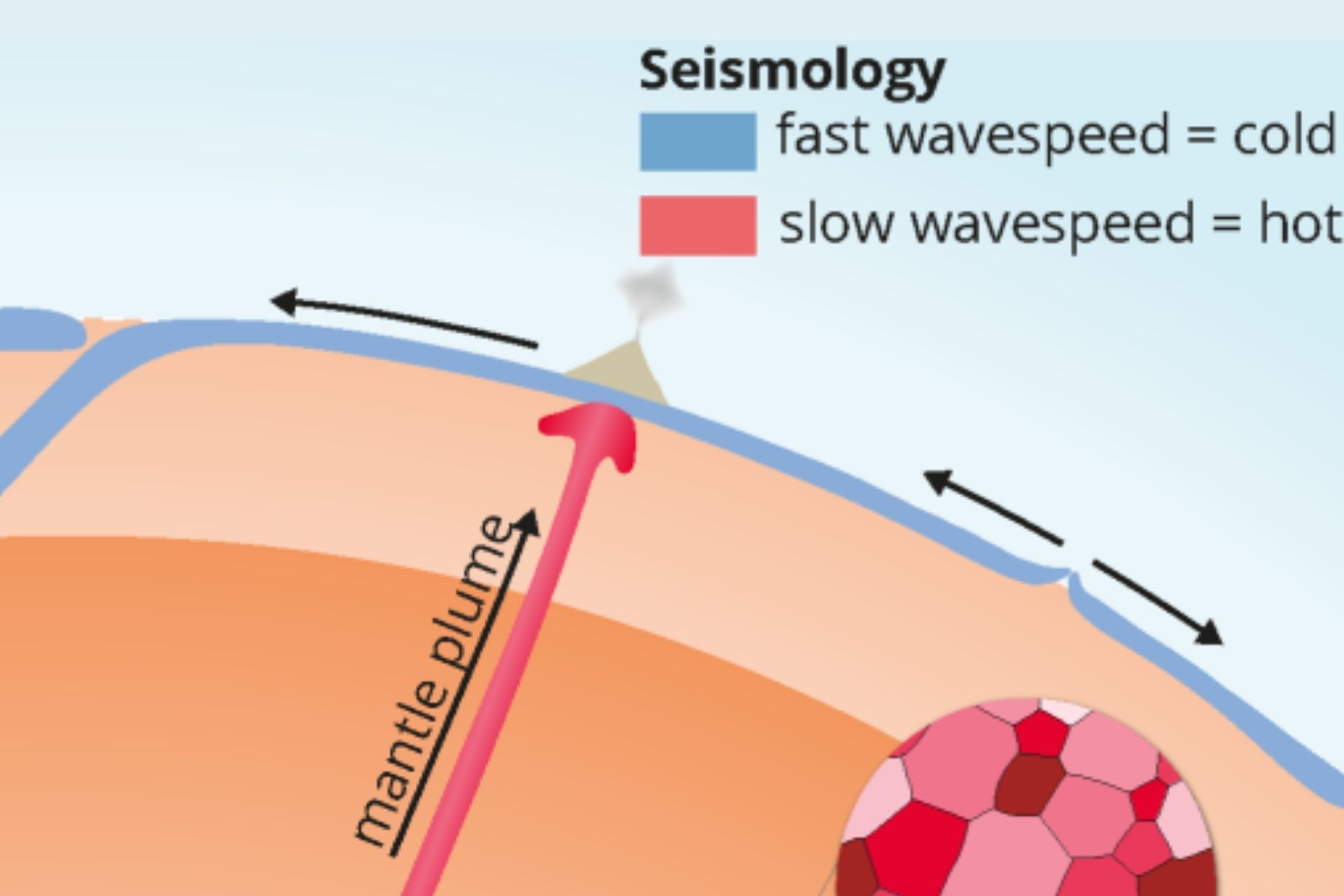
The explanation appears to lie in mineral grain size. In mantle rock, seismic waves lose energy when crossing boundaries between crystals. Regions filled with tiny grains contain more boundaries and therefore damp waves more strongly. The team found that the slab graveyard of subducted plates surrounding the LLSVPs consists of small recrystallized grains. Inside the LLSVPs, however, the grains are much larger, meaning fewer boundaries and less energy loss.
Crystals That Took Eons to Grow
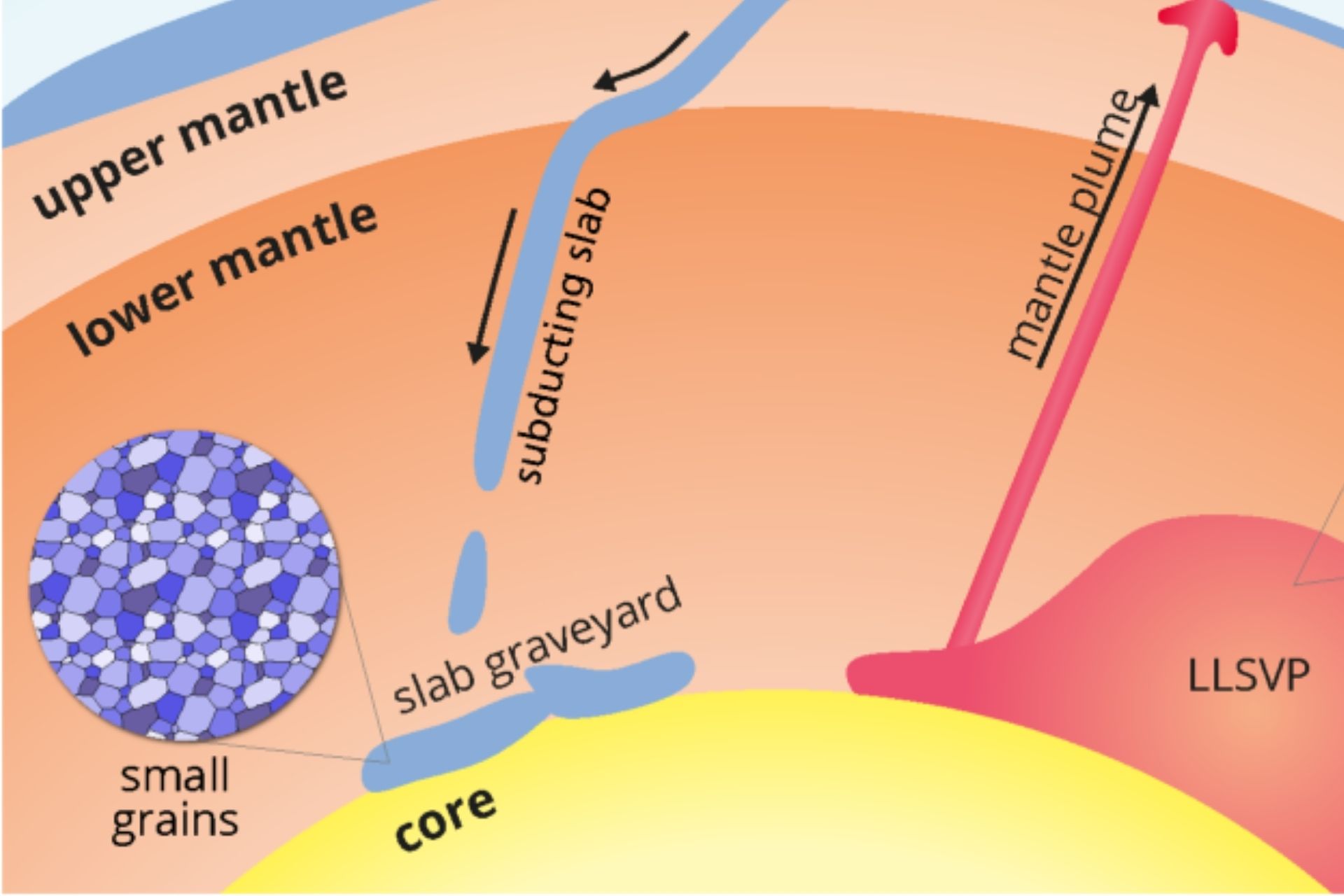
Large mineral grains do not form quickly. Crystals in these deep mantle blobs must have remained undisturbed for extremely long periods to reach their current size. Deuss believes the structures “must have been there for at least a billion years.” This longevity suggests the blobs have survived mantle convection, the slow churning motion that circulates material inside Earth. Rather than being mixed away, they appear rigid and stable.
A Less Turbulent Mantle
The findings challenge the long-standing view of a fully mixed mantle. “There is less flow in Earth’s mantle than is commonly thought,” Deuss said. The presence of these ancient, stable masses indicates parts of the lower mantle resist circulation. This layered picture alters how scientists model Earth’s internal dynamics. Some regions appear mobile and recycled, while others persist for hundreds of millions of years.
Connections to Volcanoes
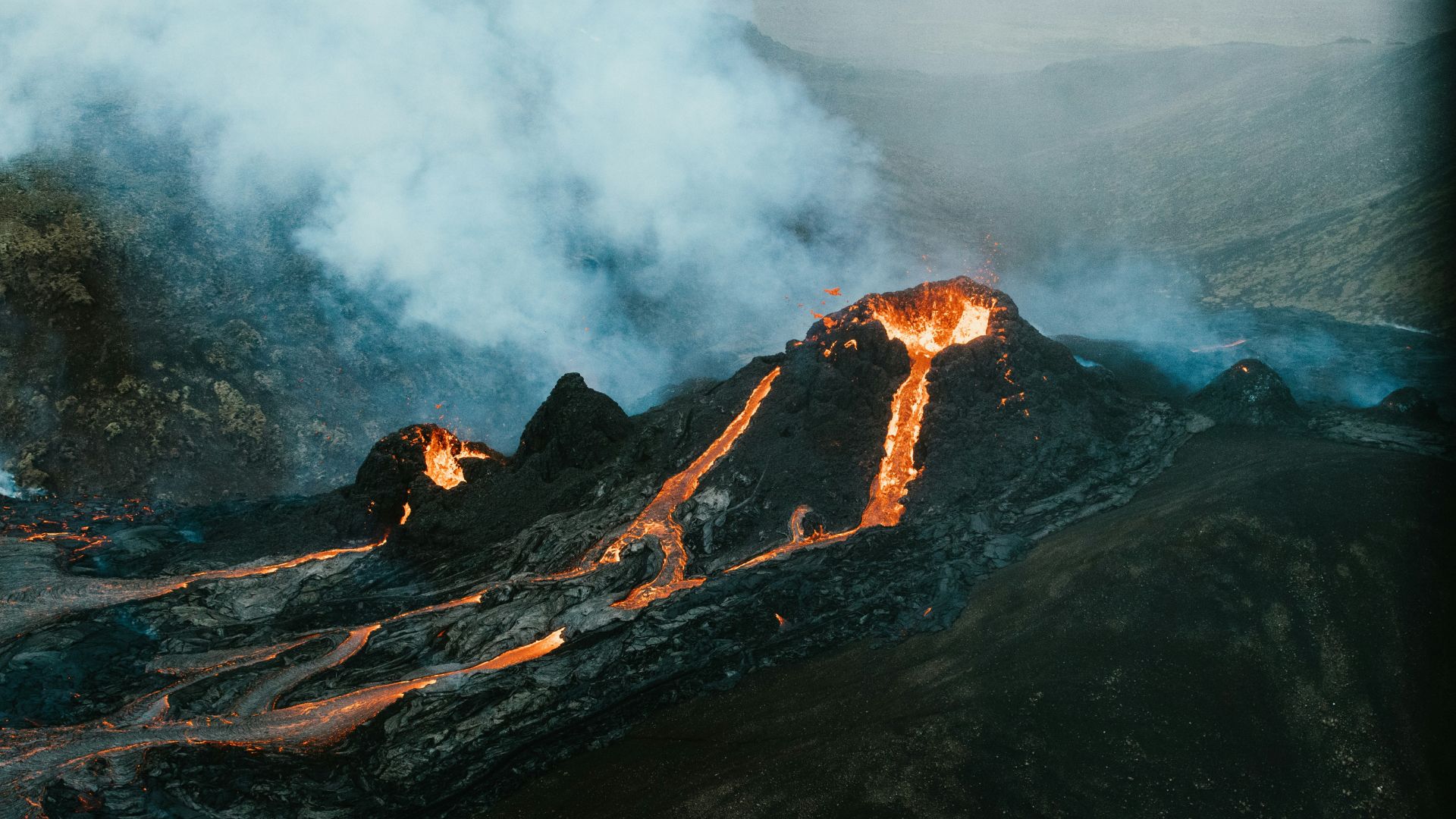
These deep structures may influence surface geology. Mantle plumes, columns of hot rock that rise toward the surface, appear to originate near the edges of LLSVPs. When plumes reach the surface, they can fuel volcanic hotspots such as those beneath Hawaii. That link connects deep mantle architecture to volcanic chains and even large igneous provinces seen in Earth’s geological record. The interior structures may help determine where surface eruptions occur over vast timescales.
A New Map of the Deep Earth
The discovery reflects decades of accumulating seismic data. From the 1994 deep Bolivia earthquake to modern global networks, scientists have refined techniques for measuring both wave speed and attenuation. By combining those measurements, the Utrecht team produced a more complete three-dimensional picture of the mantle. As research continues, scientists hope to understand how these enormous underground structures formed and why they have remained intact. What began as mysterious slow zones in seismic maps now appears to be one of the most stable and ancient features inside our planet.