A Potential Citizenship Question in 2030’s Test Raises Concerns Across America
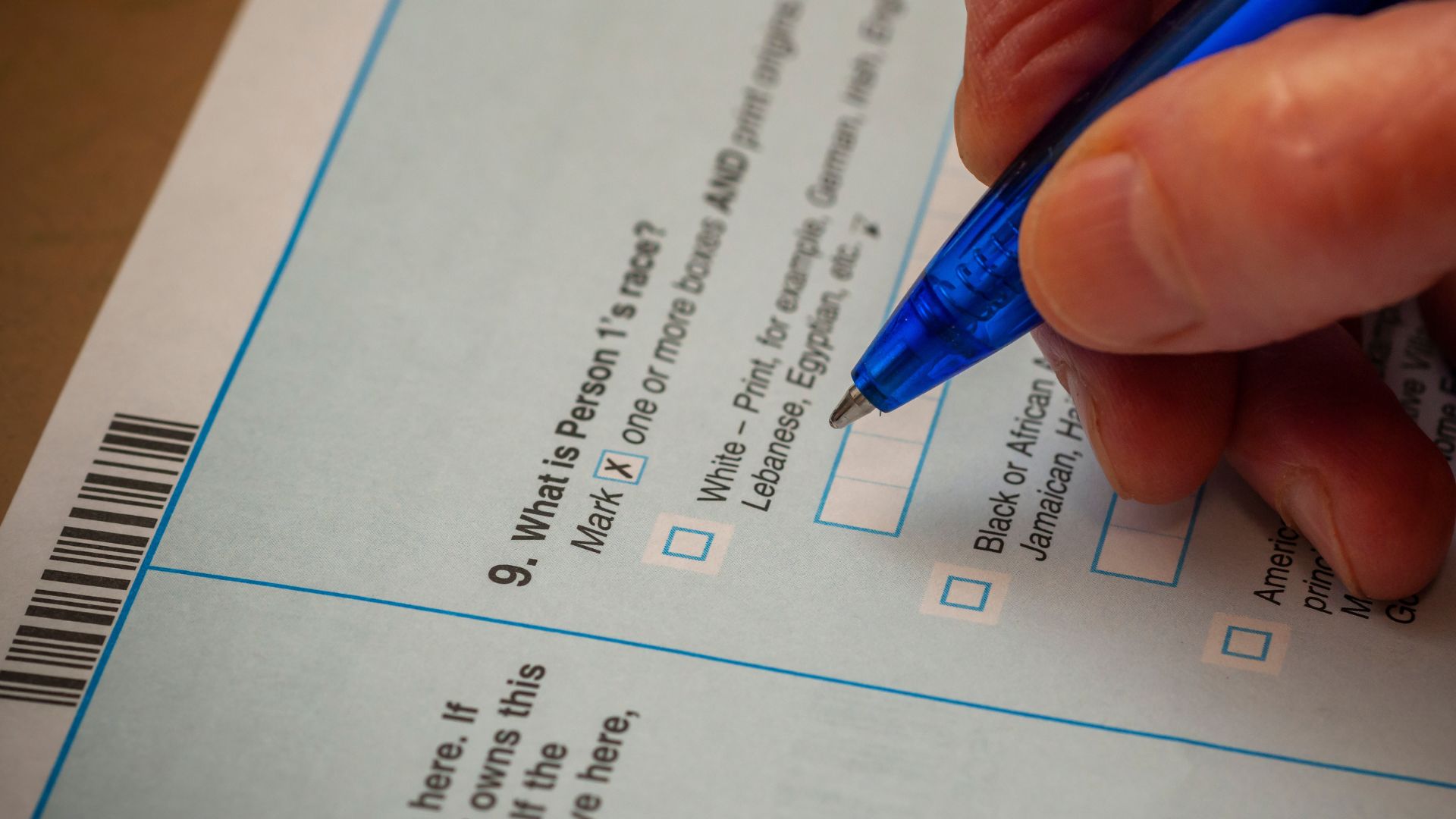

The U.S. census rarely enters everyday conversation, yet its quiet mechanics influence representation, funding, and political balance across the country. As preparations for the 2030 count begin years in advance, small procedural decisions now attract growing scrutiny. One such decision centers on a practice test that introduces a question many believed settled long ago, which has reopened debates thought resolved after earlier legal battles.
As planning moves forward, the Census Bureau has confirmed that a citizenship question will appear in a limited field test scheduled for 2026. That test, taking place in two Southern cities, draws directly from the American Community Survey rather than recent census forms. The choice has drawn attention because census questionnaires have avoided asking about citizenship for roughly 75 years.
As officials frame the test as a technical exercise, former census advisers and population researchers continue to watch closely. Their focus stays fixed on how early design choices influence participation and accuracy long before the first form reaches households nationwide.
American Community Survey Questions in Census Testing

The Census Bureau has chosen to base its 2026 field test on questions drawn from the American Community Survey, a long-running federal survey that collects detailed household data each year. That decision places a citizenship question into a census-related test for the first time in roughly 75 years, creating unease among former census officials who expected the agency to rely on recent census forms. As planning moves forward, attention has centered on how closely the test mirrors actual census operations.
The American Community Survey typically reaches a smaller sample of households and follows a different collection process than the decennial count. Because of that structure, experts argue that the form measures different responses and behaviors than a nationwide census would capture. Terri Ann Lowenthal described the approach as a departure from past testing methods, saying the scaled-back design leaves gaps in preparation.
As the test unfolds in Huntsville and Spartanburg, questions continue to surface about whether results can guide decisions for 2030 without introducing uncertainty early in the process.
Legal Push to Exclude Noncitizens from Apportionment

Republican lawmakers and state officials have renewed efforts to narrow who counts in the census totals used for political representation. In Congress, proposed legislation seeks to remove some noncitizens from apportionment figures that determine House seats and Electoral College votes. At the same time, state attorneys general in Louisiana and Missouri have turned to federal courts with lawsuits aimed at adding a citizenship question to the next census.
Those legal moves follow earlier attempts during President Donald Trump’s first term, when executive orders called for excluding people living in the U.S. illegally from population counts. The Supreme Court blocked the citizenship question on the 2020 census form, and later actions never took effect after a change in administrations. Yet the underlying arguments continue to resurface as census planning resumes.
As debate continues, the Constitution’s language remains central to the dispute. The 14th Amendment directs that the whole number of persons in each state be counted, an interpretation the Census Bureau has long applied to residents regardless of legal status.
Narrowed Testing Raises Broader Questions
Attention has also turned toward how the 2026 field test itself has been scaled back during early planning. Census officials originally outlined a six-site test that included western Texas, Colorado Springs, parts of North Carolina, and tribal lands in Arizona. That plan was later narrowed to Huntsville and Spartanburg, a reduction that has prompted concern about how much real-world data the test can produce before 2030 preparations accelerate.
Alongside the smaller footprint, the bureau plans to experiment with operational changes that extend beyond questionnaires. One adjustment involves assigning certain census duties to U.S. Postal Service workers, tasks that census staff traditionally handled. Officials view the approach as a way to evaluate cost control and logistical reach, though critics note the method has not been widely tested at scale.
As those operational trials move forward, lawmakers and researchers continue to monitor how early decisions shape the next decade of census planning. Questions about methodology, transparency, and oversight remain active as preparation timelines move closer to implementation.