NASA Finds Huge Planet-Wide Scars on Mercury That Scientists Can’t Fully Explain
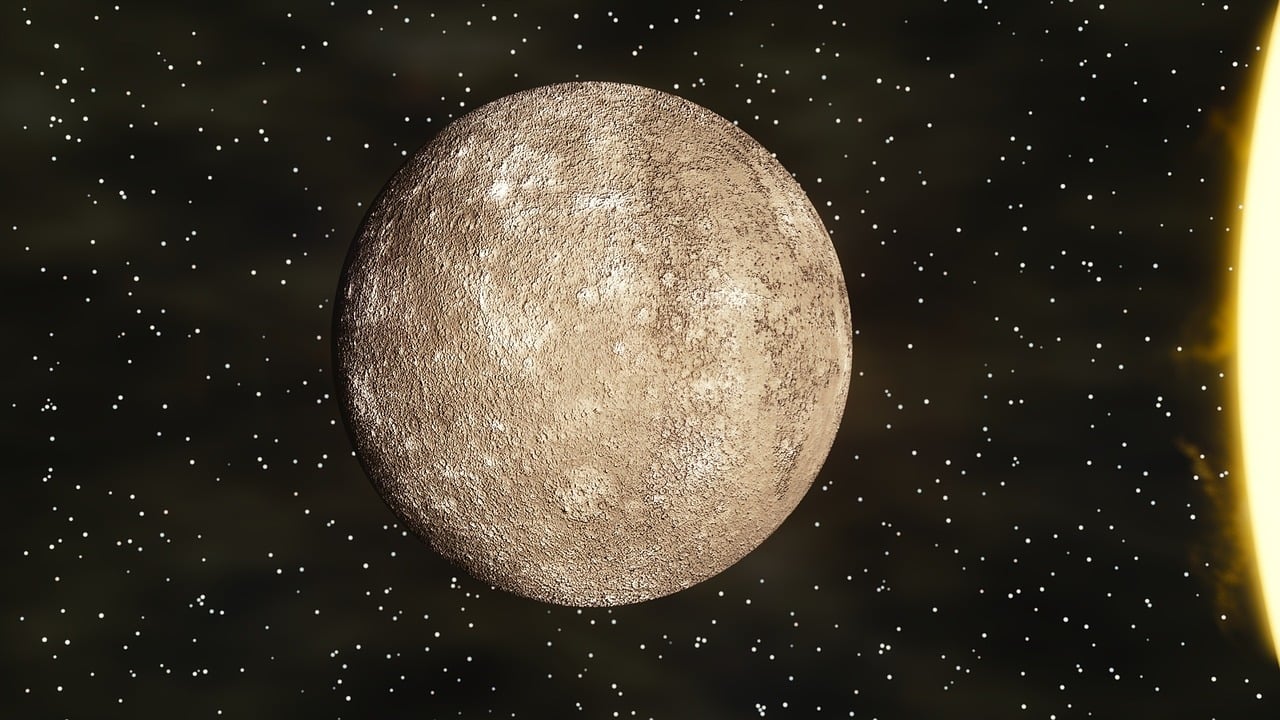

Mercury has long been considered a quiet, heavily cratered world, shaped mainly by time and exposure. That assumption began to change when NASA’s MESSENGER spacecraft sent back detailed images of the planet’s surface. What scientists saw challenged earlier interpretations and revealed evidence of events far more intense than previously imagined.
Across vast regions of the planet, luminous streaks extend outward from massive impact craters. These rays span hundreds, and in some cases thousands, of kilometers, crossing terrain with remarkable clarity. Their scale alone suggests that Mercury endured collisions of extraordinary power during the early stages of the solar system.
Rather than being random markings, these formations act as geological records. They preserve the energy, direction, and aftermath of ancient impacts, offering researchers a rare opportunity to study planetary violence frozen in time.
Reading the scars left by colossal impacts
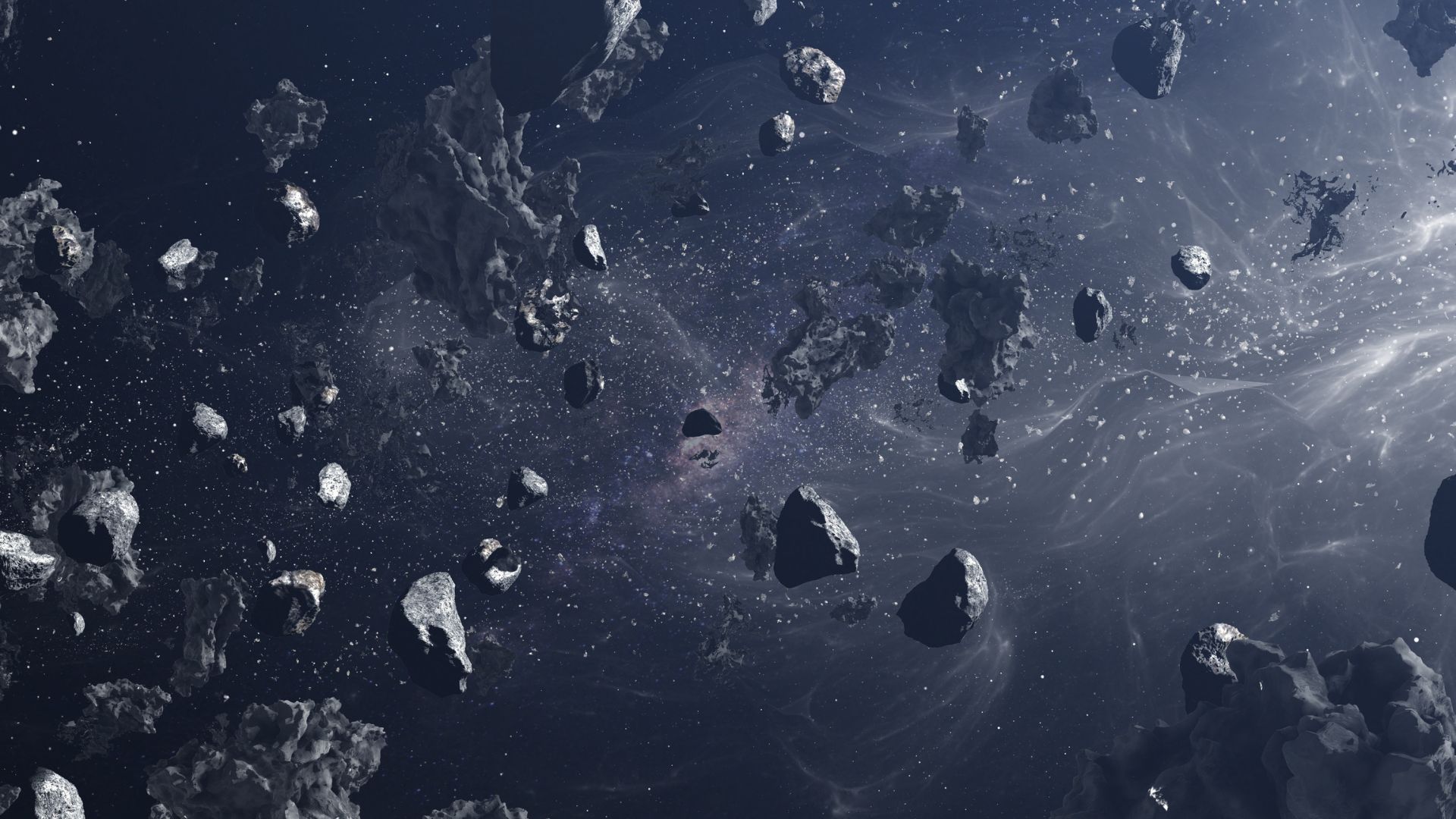
The ray systems captured by MESSENGER are unlike anything typically associated with a small, rocky planet. Their brightness indicates relatively fresh material excavated from deep below the surface, thrown outward with enough force to blanket entire hemispheres. This points to impacts that released energy on a planetary scale.
Scientists use these rays to trace the history of collisions that reshaped Mercury’s crust. By analyzing their composition and distribution, researchers can estimate when these events occurred and how they altered the planet’s structure. Each crater becomes a chapter in a much larger narrative of destruction and renewal.
Yet not all of these features align neatly with known impact models. Some patterns appear too extensive or too organized to be explained solely by standard asteroid collisions, raising new questions about Mercury’s early environment.
Clues that challenge existing explanations
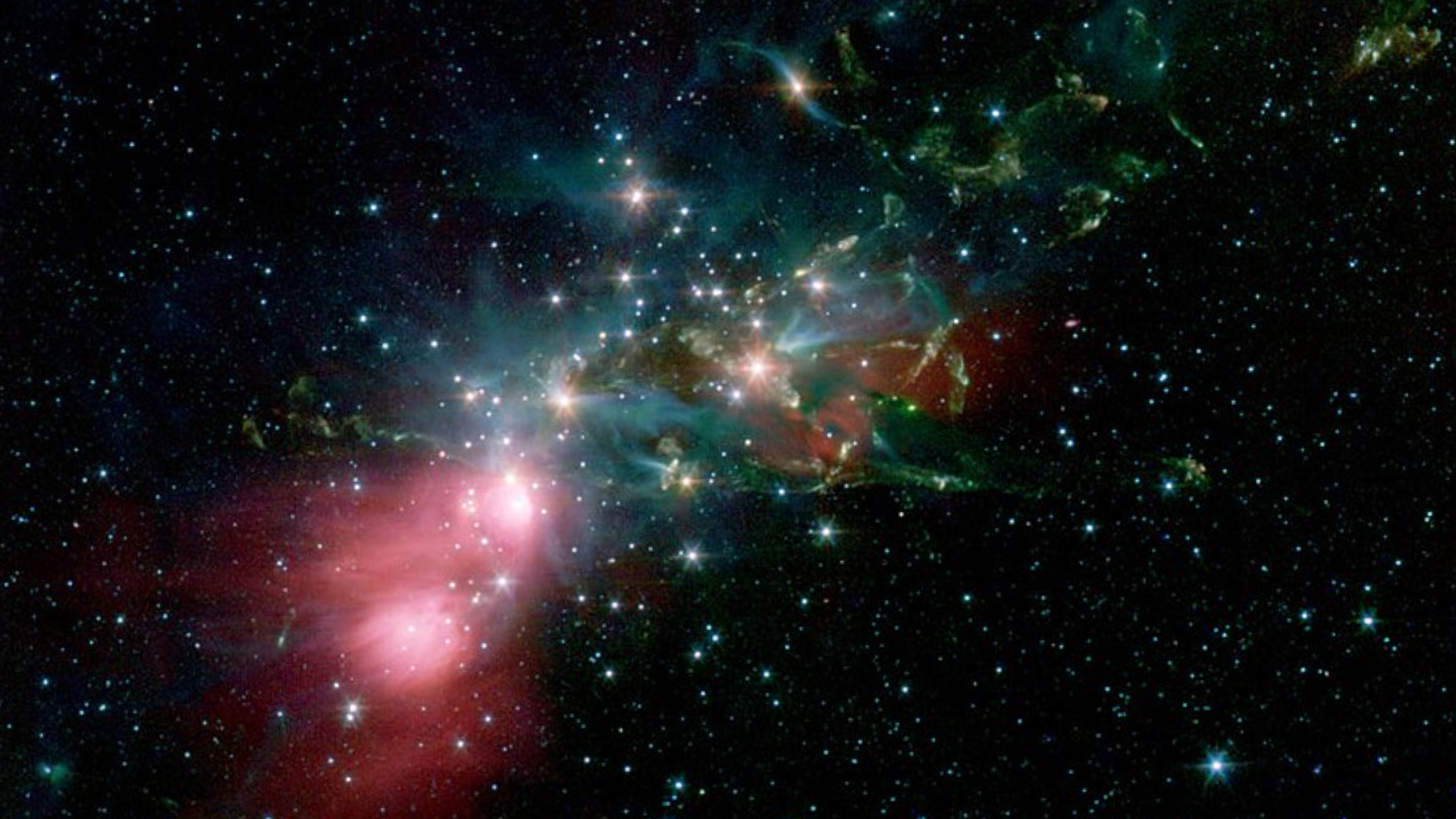
Among the most intriguing discoveries are surface formations that resist easy classification. Certain scars seem to reflect forces that go beyond what current simulations predict for impacts alone. These anomalies have prompted scientists to consider additional factors, such as unusual impact angles or interactions with Mercury’s unique internal structure.
Mercury’s large metallic core and thin mantle may have amplified the effects of ancient collisions, allowing shockwaves to travel farther than expected. This internal composition could help explain why some scars stretch across such immense distances without fading.
These unresolved details make Mercury an active subject of ongoing research. Each unexplained feature serves as a reminder that planetary science often advances through surprises that force existing theories to evolve.
A planet redefined by violence and motion
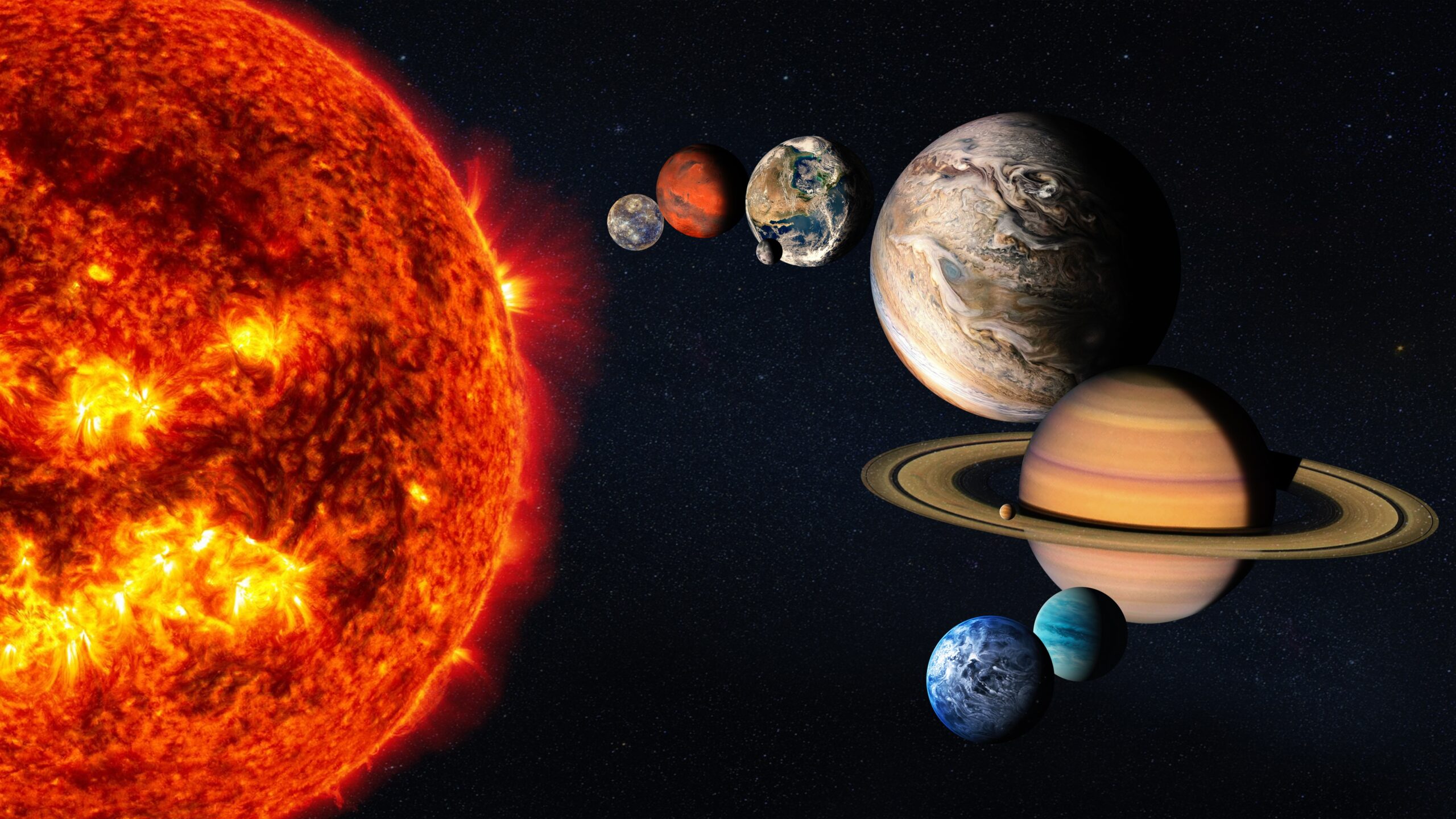
Taken together, the images from MESSENGER redefine Mercury as a world shaped by relentless and dramatic forces. Far from being a static relic, the planet emerges as a dynamic body forged through repeated episodes of extreme energy and transformation.
These findings deepen scientific understanding of how rocky planets develop under intense conditions. Mercury’s scars offer insight not only into its own past, but also into the broader processes that governed the early solar system.
As researchers continue to analyze the data, Mercury stands as a powerful example of how much can be learned from looking closely. Its surface, etched with planet-scale wounds, reveals a history that is still unfolding through careful observation and thoughtful interpretation.