Drivers Are Now Facing Up to $2,000 Fine for Ignoring This ‘Basic’ Winter Car Prep
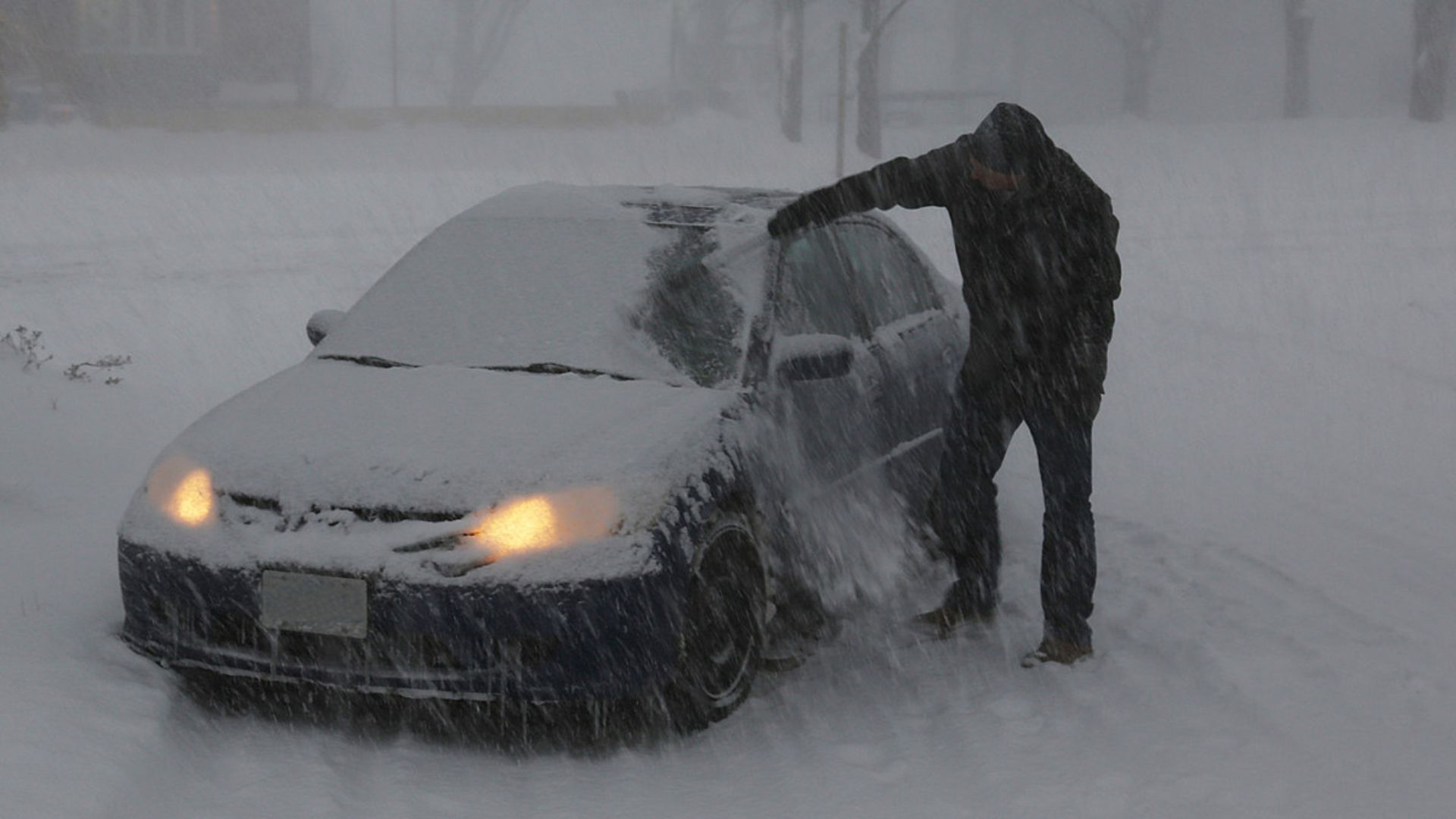

Winter storms bring more than snow days and hot cocoa. They bring serious legal consequences for unprepared drivers. Across the nation, authorities are cracking down on motorists who skip a crucial five-minute task. The penalty? Up to $2000 in fines. This seemingly simple oversight creates dangerous highway conditions that lead to injuries, deaths, and property damage each year.
The Costly Mistake Drivers Keep Making
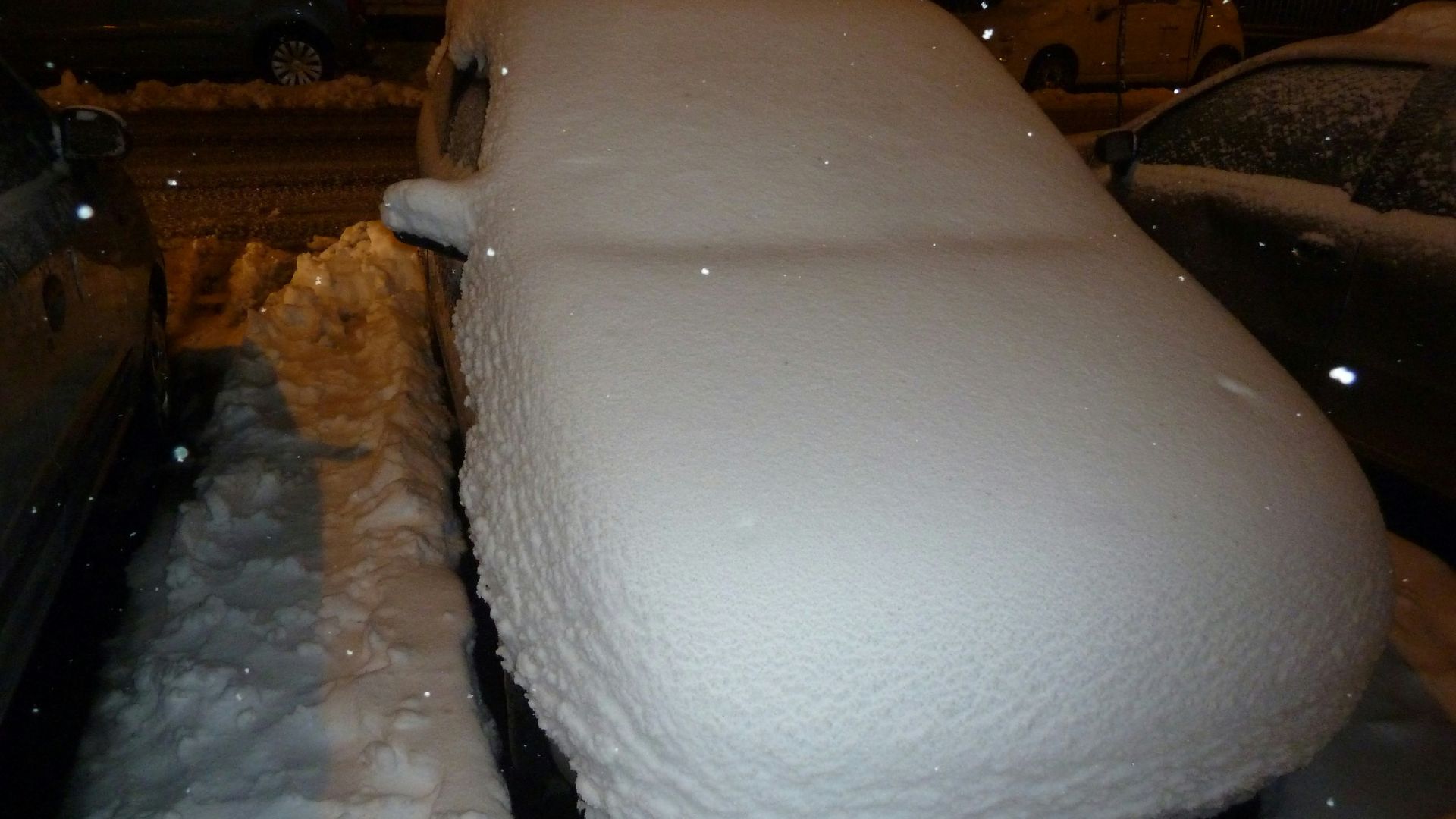
Failing to remove snow and ice from your vehicle is now illegal. North Carolina law treats uncleared vehicles as unsecured loads. Greensboro Police emphasize that when drivers neglect this task, “it poses an unnecessary danger to others.” The maximum fine reaches $2000 plus one point on your license. Most drivers don’t realize this violation carries serious consequences.
When Ice Becomes a Deadly Missile
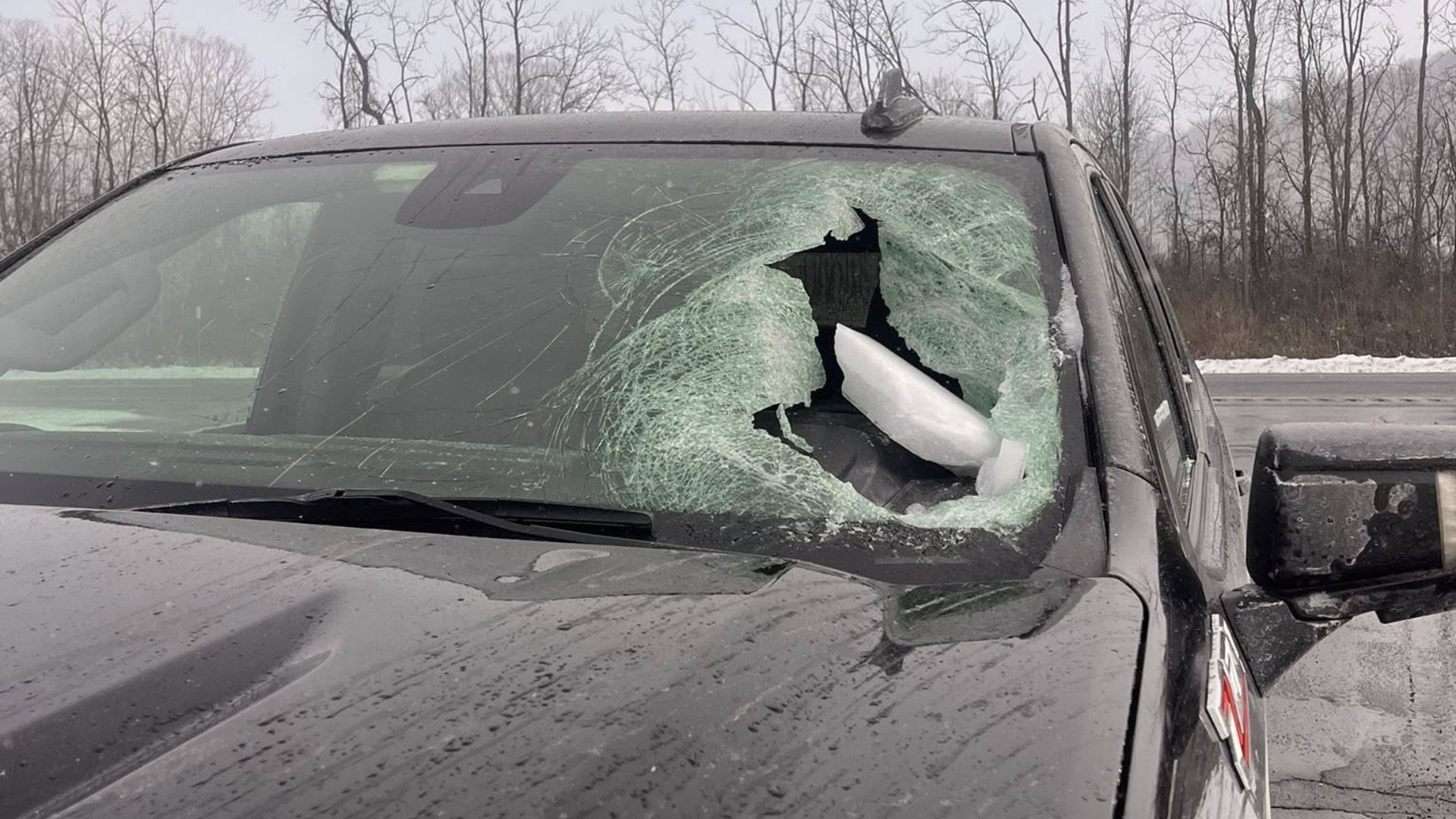
Highway speeds transform accumulated snow into dangerous projectiles. Officer Tiffany Hooker from the Greensboro Police Department explains that vehicles heat up on highways, forcing ice sheets to fall directly onto windshields and vehicle fronts, causing significant damage. These “ice missiles” have caused fatalities nationwide. A Pennsylvania woman died when ice from a tractor-trailer smashed through her windshield, prompting Christine’s Law.
Police Vehicles Aren’t Exempt From Flying Ice Dangers
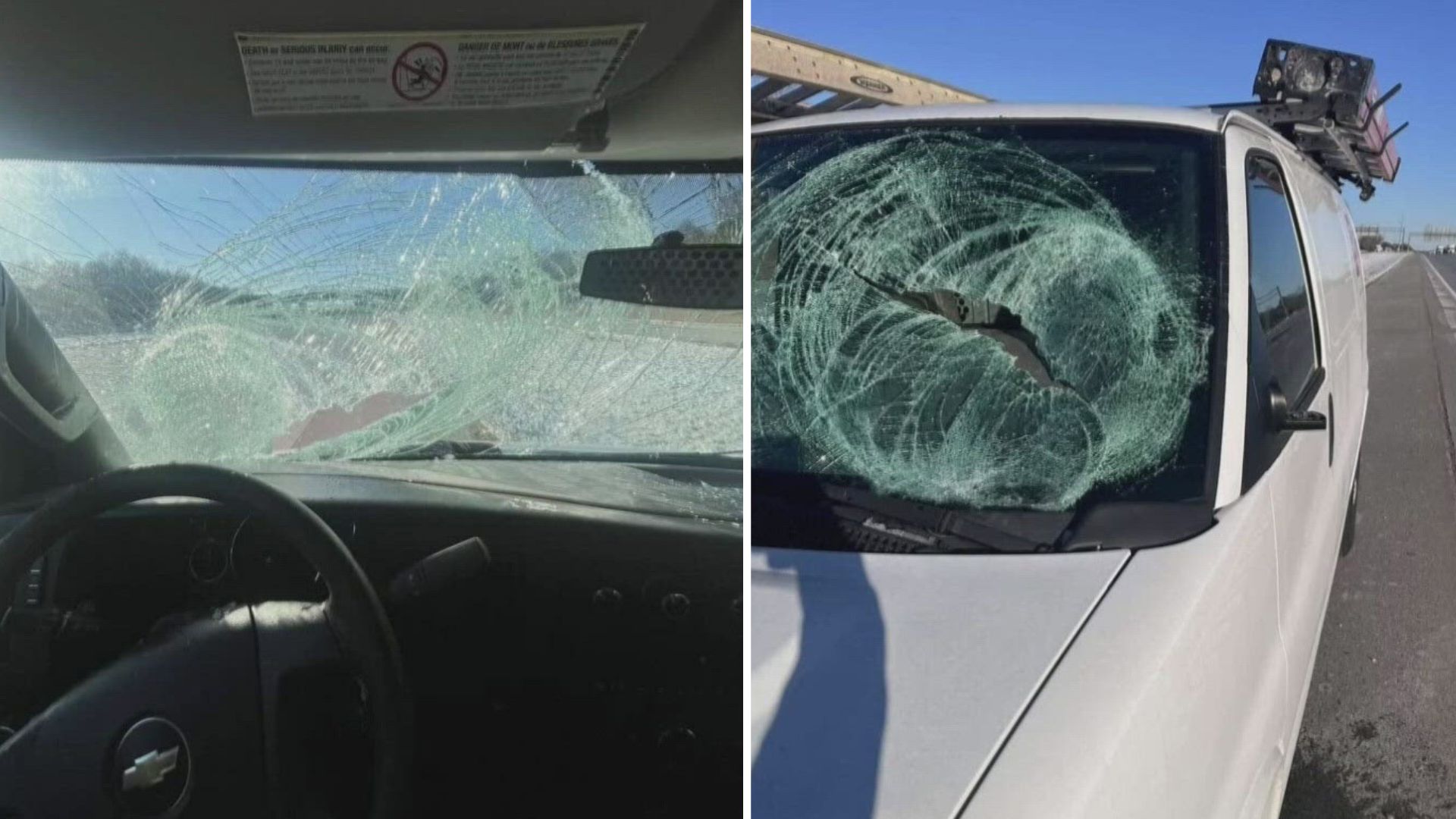
Even law enforcement faces these winter hazards. Greensboro Police recently shared images of two patrol vehicles damaged by flying ice. One cruiser’s windshield was severely battered, while another sustained bumper damage. These weren’t minor incidents—they demonstrate how unpredictable and truly dangerous flying ice can be. If trained officers can’t avoid these hazards, everyday drivers face even greater risks on highways.
A Local Driver’s Terrifying Highway Experience
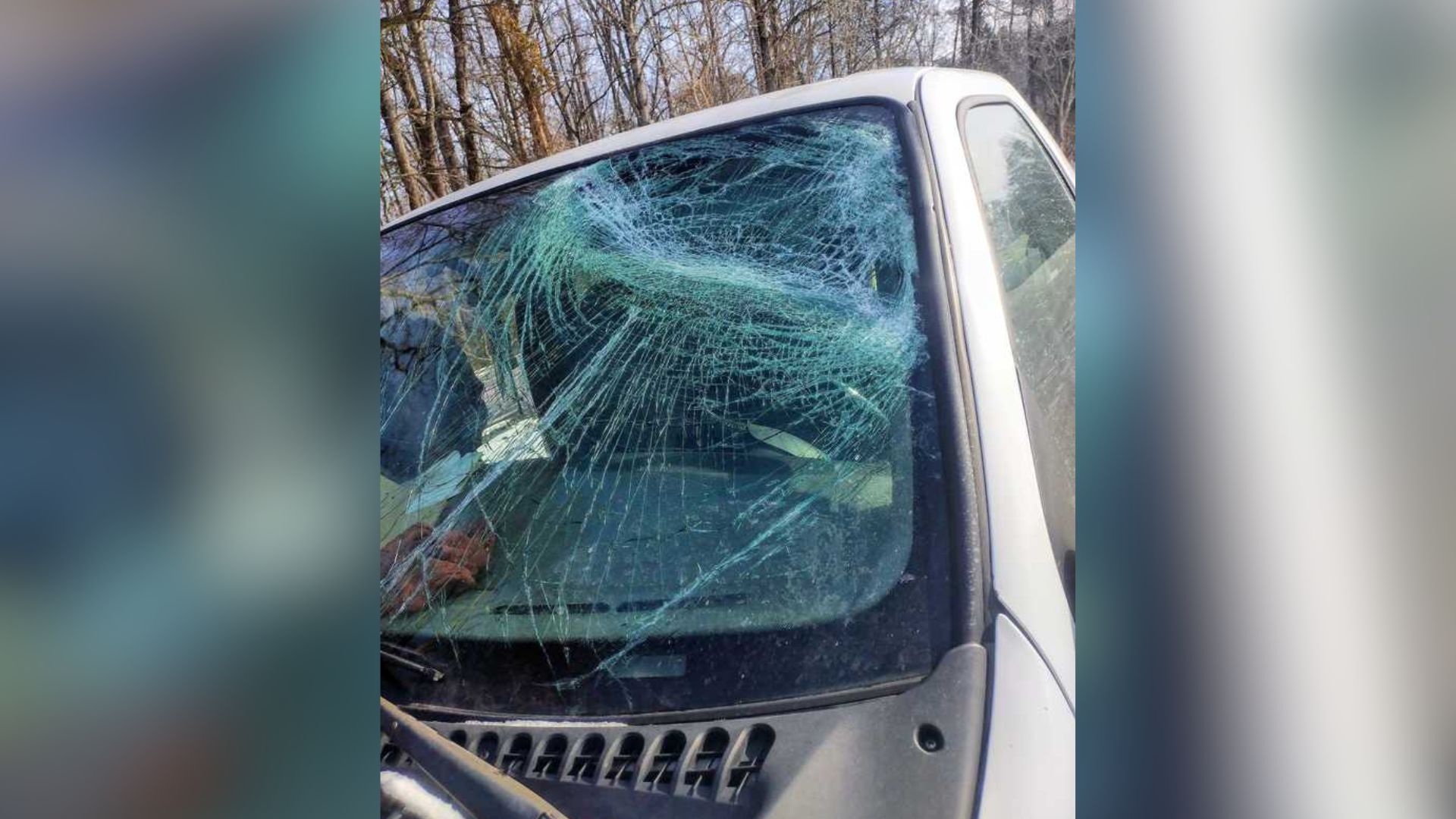
A Triad man experienced firsthand what happens when drivers ignore snow removal. While driving Interstate 85 in Greensboro, flying ice smashed his work truck’s driver-side windshield. He was fortunate to safely reach the roadside without serious injury. His dash cam captured the incident, providing crucial evidence. This near-miss highlights how quickly conditions turn life-threatening when others skip basic winter preparation.
How to Protect Yourself and Document Incidents

If flying ice damages your vehicle, take immediate action now. Officer Hooker advises drivers to obtain dashcam recordings and, when safely possible, carefully note the offending vehicle’s license plate number. However, safety comes first—never chase down another vehicle. File a police report, even if officers don’t respond in person. Many jurisdictions now offer online reporting systems for insurance documentation.
The Insurance Nightmare You Might Not Be Covered For

Christopher Cook from Alliance Insurance Services warns that ice damage falls under comprehensive coverage, not standard collision insurance. If you lack comprehensive coverage, you’re paying all repair costs out of pocket. North Carolina doesn’t require comprehensive coverage, though it covers non-accident damage, including ice, deer strikes, and fallen tree limbs. Many drivers discover this coverage gap only after sustaining damage.
Which States Take Snow Removal Seriously
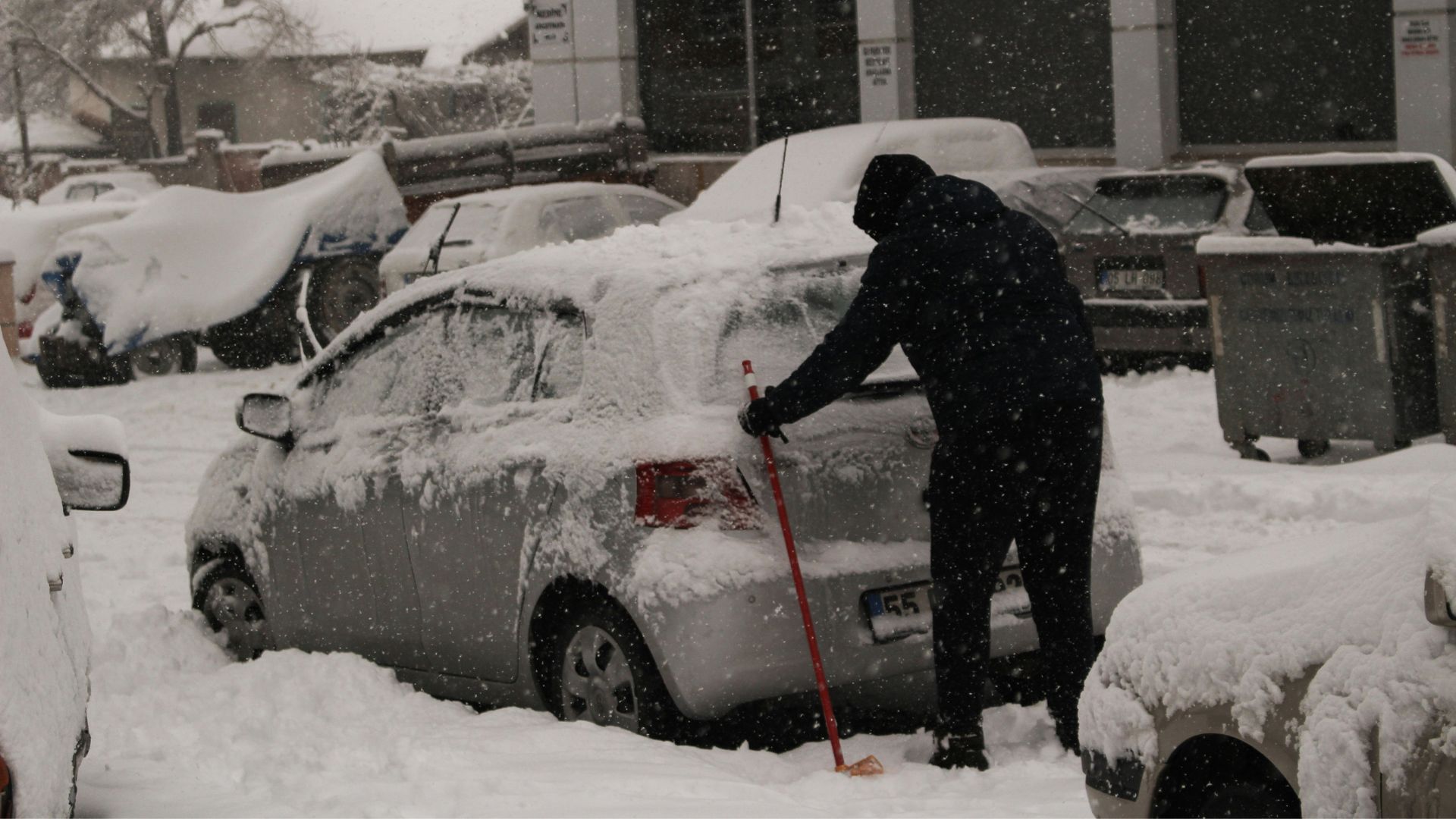
Multiple states have enacted snow-removal legislation to protect drivers and the public. New Jersey’s law requires removing ice from hoods, trunks, roofs, and trailer tops, with fines ranging from twenty-five to seventy-five dollars per violation. Connecticut’s ice missile law charges seventy-five dollars. Pennsylvania, New Hampshire, Massachusetts, Rhode Island, Wisconsin, Delaware, and Maine enforce similar regulations.
New Hampshire’s Jessica’s Law

New Hampshire’s stringent legislation emerged from tragedy. 20-year-old Jessica Smith died after ice fell from a trailer, struck another truck, causing a fatal head-on collision with her vehicle. Jessica’s Law now imposes fines from two hundred fifty to five hundred dollars for first offenses, five hundred to one thousand for subsequent violations. Additional penalties include license points and thirty-day suspensions.
Connecticut’s Aggressive Enforcement Shows Results

Connecticut State Police don’t take ice missile violations lightly. They issued 181 tickets in 2022, 80 in 2023, 212 in 2024, and 170 last year. Penalties escalate significantly when falling snow or ice causes injury or property damage. The law doesn’t apply when precipitation begins while driving, but parked vehicles must be completely cleared.
What Counts as an Unsecured Load
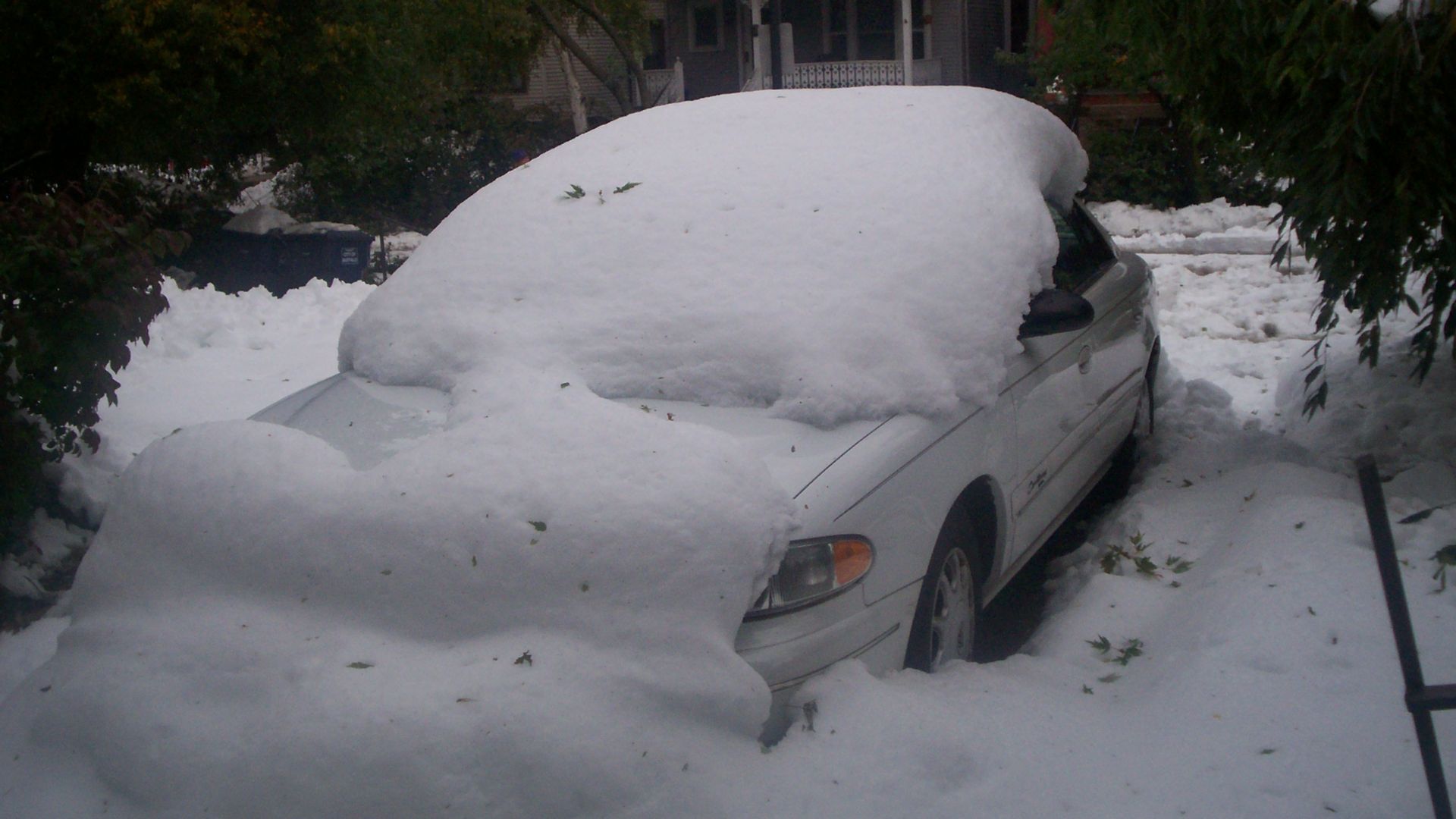
North Carolina statute 20-116 is clear: vehicles must prevent loads from falling, blowing, dropping, sifting, or leaking. Snow and ice qualify as loads under this state law. Between 2012 and 2016, unsecured loads caused 2,595 crashes, resulting in 705 injuries and 14 fatalities statewide. Governor Roy Cooper declared June 6 “Secure Your Load Day,” raising awareness.
Commercial Vehicles Face Stricter Penalties
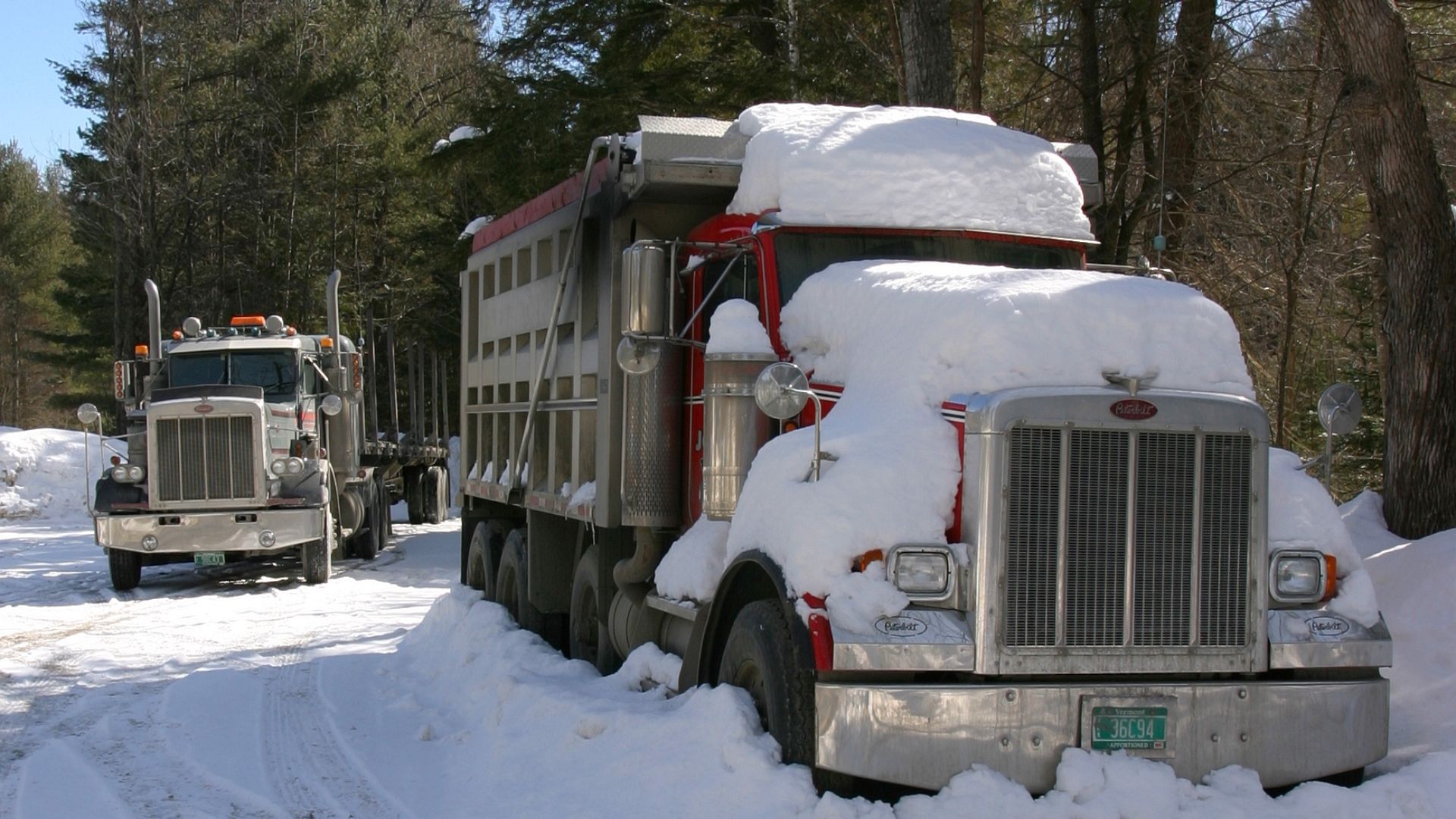
Truck drivers bear greater responsibility and face heftier consequences. Commercial operators in several states face fines from $500 to $1500 when snow or ice causes damage. However, practical challenges exist—safely removing snow from tall trailer roofs during winter conditions remains difficult. Some states provide exemptions when truckers head directly to removal facilities without passing other available locations.
The Five-Minute Task That Saves Lives

Clearing your vehicle takes minimal time compared to the potential consequences. Remove snow and ice from all surfaces: hood, roof, trunk, windows, lights, and mirrors. Use brushes, scrapers, or de-icer for stubborn ice. Don’t rely on wind or highway speeds to blow snow off. Making this task automatic before every winter drive protects your wallet, your driving record, and potentially lives.
Don’t Let Winter Weather Catch You Unprepared
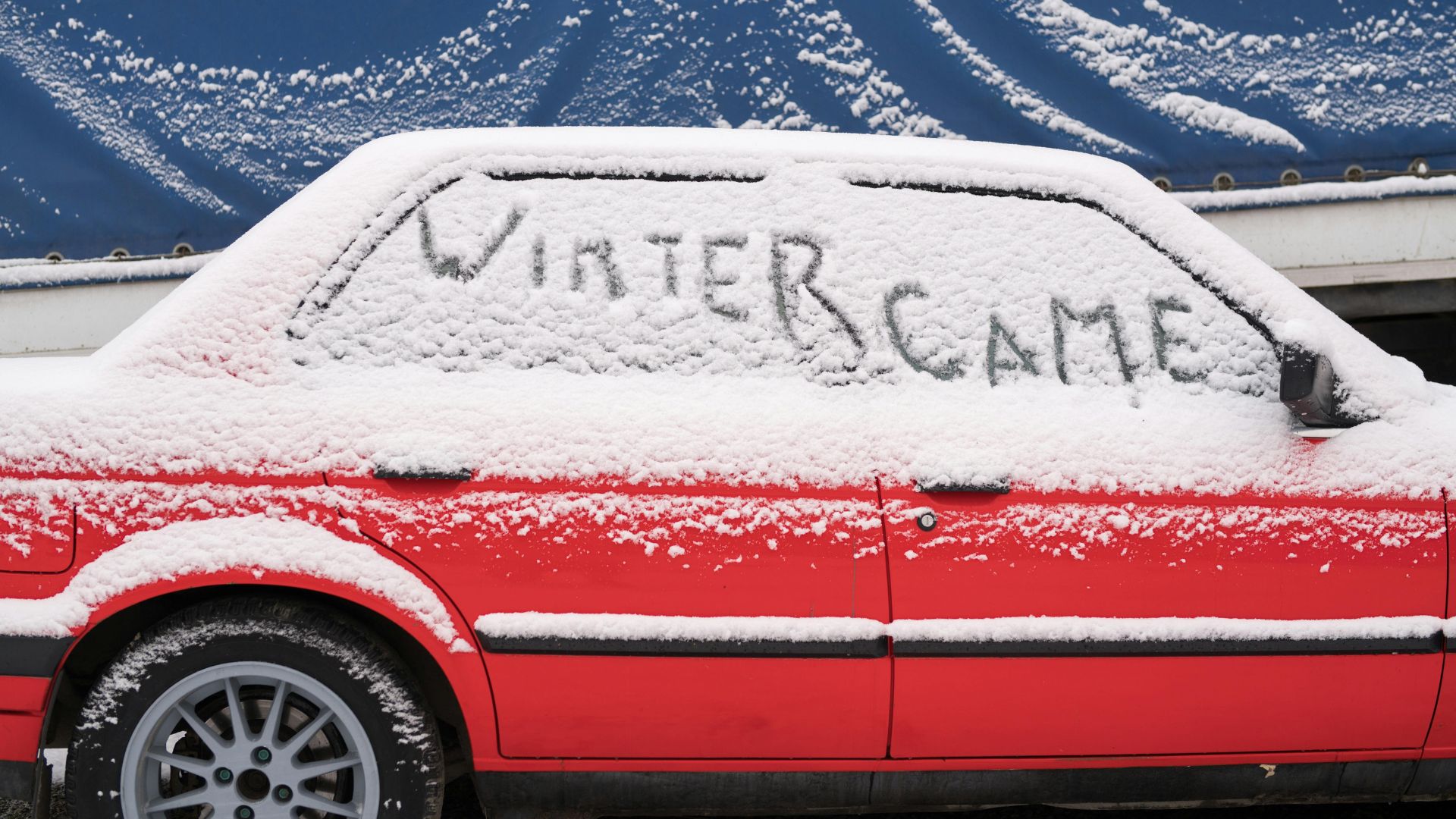
Winter driving requires more than cautious steering. It demands responsible vehicle preparation. The $2000 fine represents just one consequence of skipping snow removal. Property damage, insurance claims, license points, and knowing you endangered others all carry lasting impacts. Before hitting the road this winter, invest five minutes in clearing your vehicle completely.