Tesla Built a ‘Spirit Radio’ to Speak With the Dead


Nikola Tesla is best known for reshaping the modern electrical world, but some of his most unsettling ideas sat far outside conventional science. At the turn of the 20th century, Tesla became convinced that new radio technologies might allow humans to detect voices from beyond the physical world.
A World Obsessed With the Afterlife

Spiritualism surged in popularity in the late 1800s and early 1900s, fueled by rapid technological change and a growing belief that electricity could unlock unseen realms. Devices like telegraphs and radios made invisible communication feel plausible, even inevitable. Tesla operated in this cultural moment, where science and the supernatural often overlapped.
Strange Signals in the Night
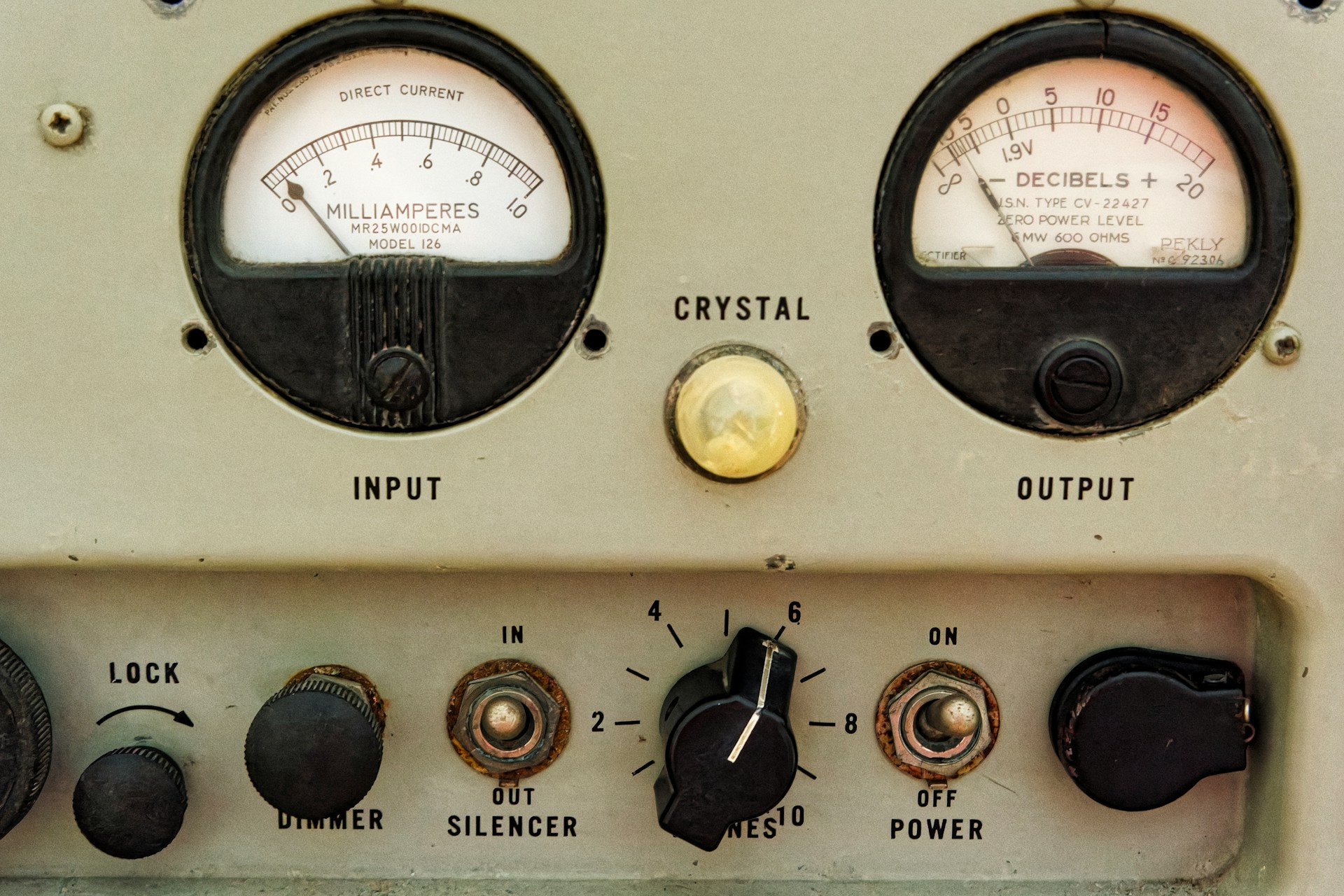
In 1901, while experimenting with radio equipment in his Colorado Springs laboratory, Tesla detected unusual electrical signals. Writing later about the experience, he said his “first observations positively terrified” him, describing rhythmic patterns that did not resemble known atmospheric interference. Alone at night, he wondered whether the signals carried intelligent intent.
The Birth of the “Spirit Radio”
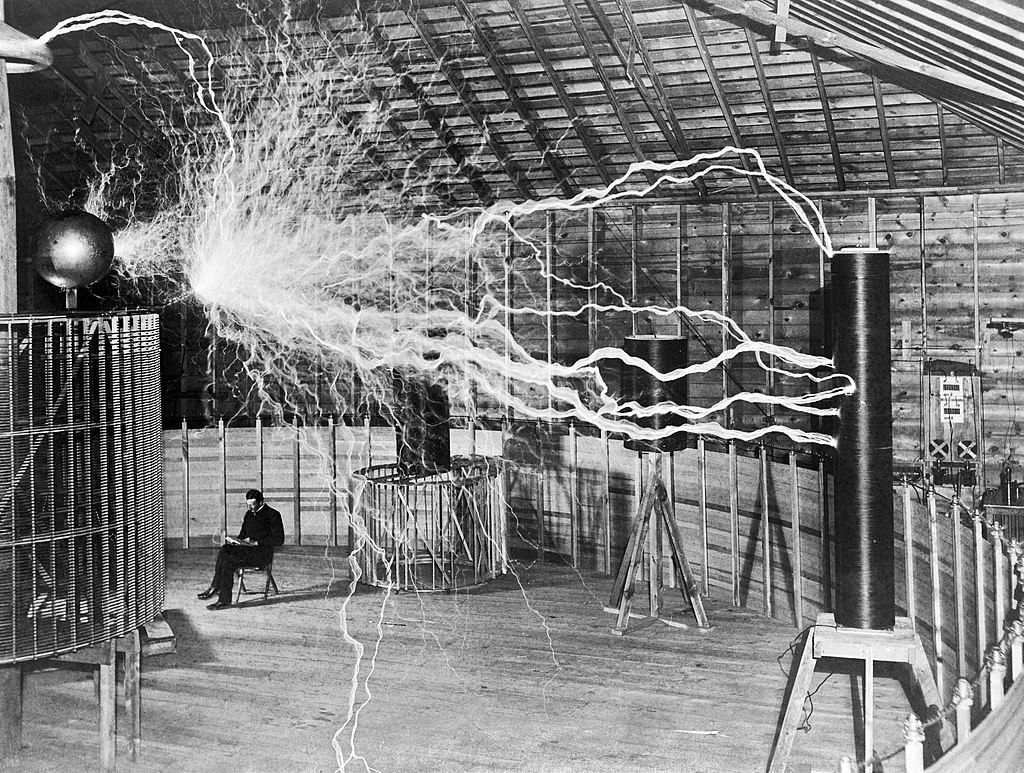
What later became known as Tesla’s “Spirit Radio” was not a single, named invention but a series of radio experiments using tuned circuits and sensitive receivers. According to Ancient Code, modern replicas of the device rely on crystal radio-style components capable of detecting low-frequency electromagnetic signals. Tesla believed such sensitivity might allow communication beyond ordinary human perception.
Voices Without Bodies
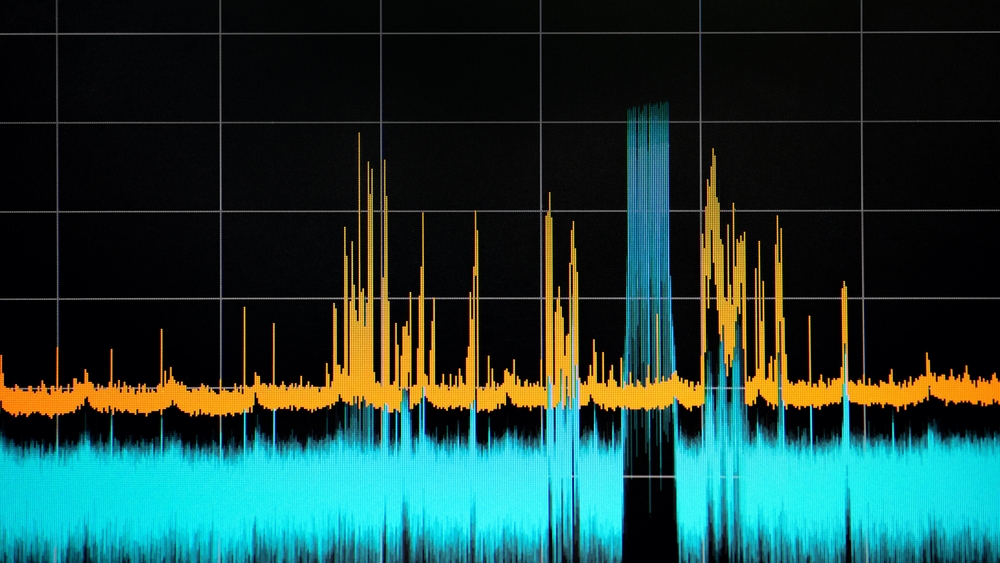
Tesla later wrote that some sounds resembled human voices “conversing back and forth in a language I cannot understand.” In a 1918 reflection, he stopped short of claiming he had contacted the dead, instead insisting there must be a scientific explanation he had not yet uncovered. Still, the experience deeply unsettled him and shaped his thinking for years.
Science or Misinterpretation
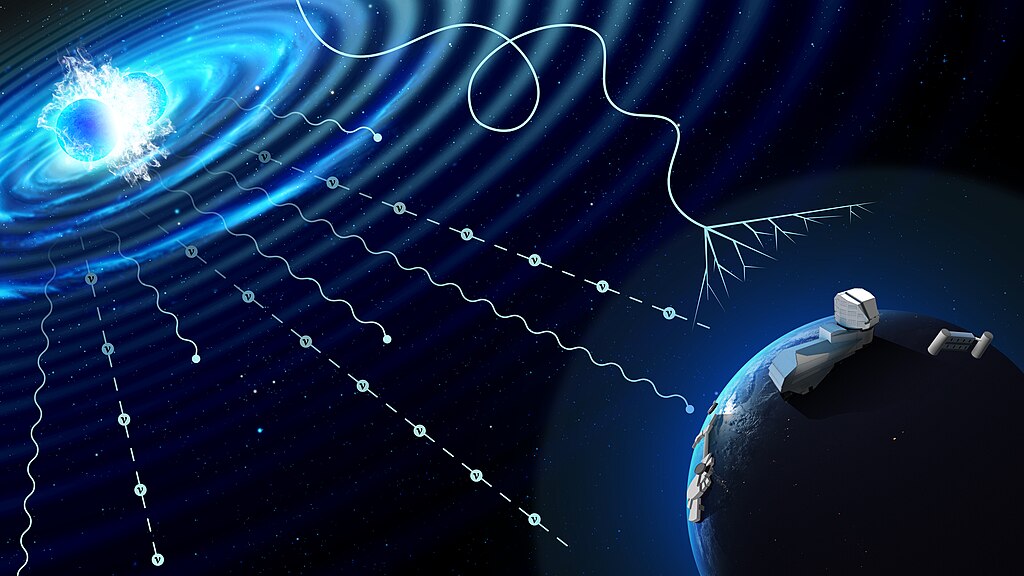
Modern researchers point out that early radios often picked up electrical storms, cosmic noise, and interference from distant transmitters. Translated into audio, these signals can sound eerily like whispers or speech. Even Tesla acknowledged this possibility, emphasizing that emotional reactions should not replace rigorous investigation.
Edison Enters the Race
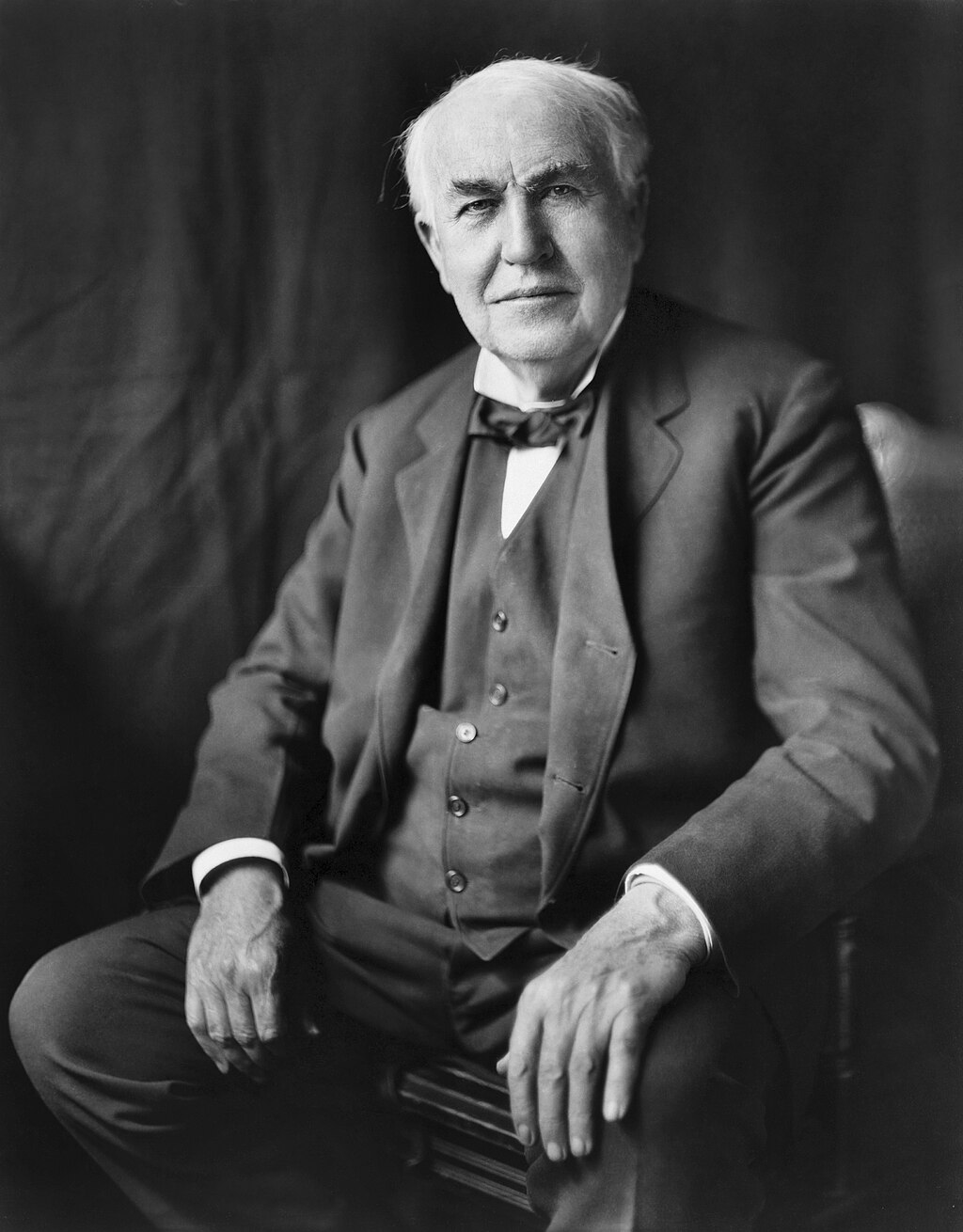
Tesla’s longtime rival Thomas Edison became intrigued by similar ideas years later. According to an article by Mental Floss, Edison announced in 1920 that he was working on a “spirit phone” designed to detect communication from deceased personalities. He framed the effort as scientific exploration rather than séance-style mysticism.
Rivalry Beyond the Grave

Edison told The American Magazine that if human consciousness persisted after death, it might exist as energy capable of influencing instruments. Though no evidence ever emerged from his experiments, the idea that two of history’s greatest inventors explored communication with the dead underscores how mainstream such thinking once was. Their rivalry extended into realms few expected.
Planets, Spirits, and Signals
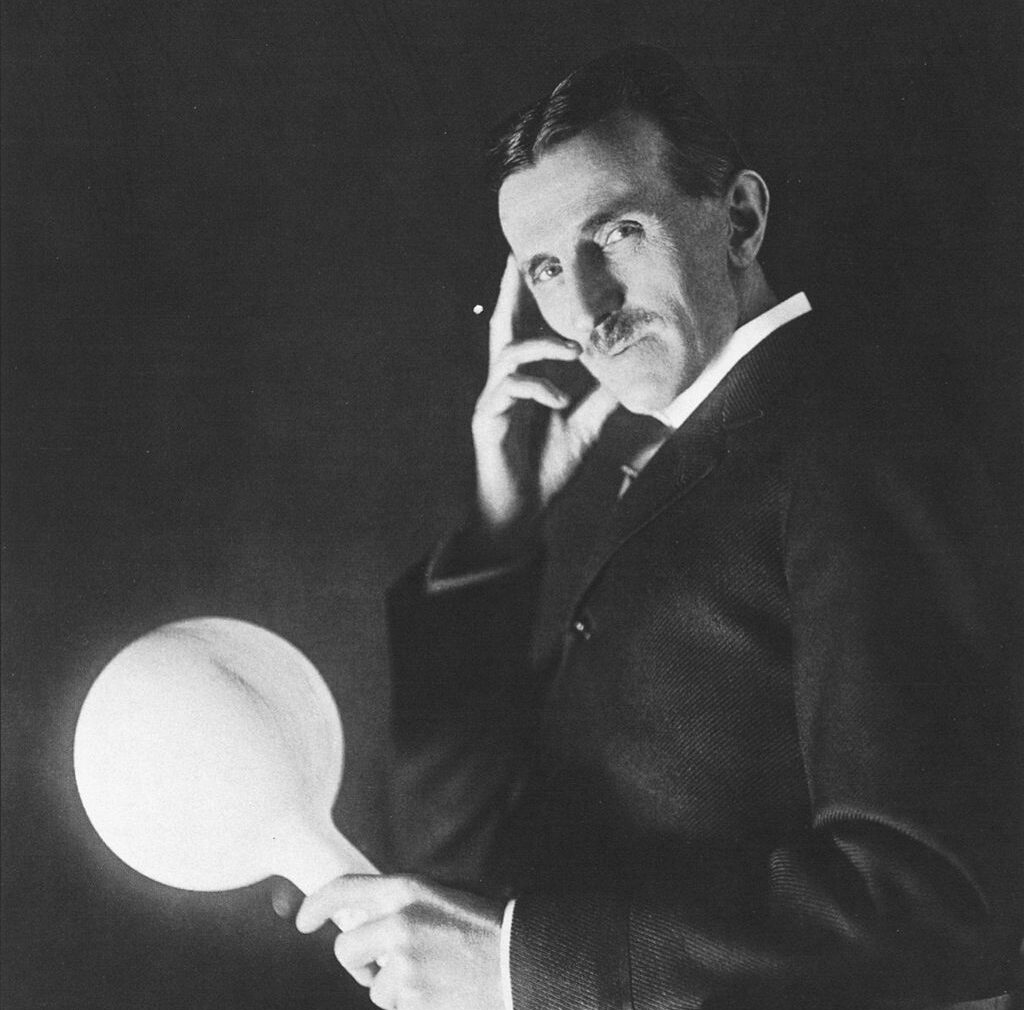
Tesla’s fascination was not limited to spirits of the deceased. In an 1901 article “Talking With the Planets,” published in Collier’s Weekly, Tesla claimed some signals could originate from intelligent life beyond Earth. He later speculated that humanity might one day confirm communication with other worlds through advanced electrical systems.
Legacy of a Haunted Experiment
Today, Tesla’s “Spirit Radio” is often viewed as a product of early radio’s limitations rather than proof of supernatural contact. Yet the episode reveals how even disciplined scientists can be influenced by fear, wonder, and cultural beliefs. Tesla never claimed certainty—only that something unknown had brushed against the edge of human understanding.