Brutal Blizzard Pushes Americans Indoors as Communities Step Up to Help Dig Out Their Neighbors
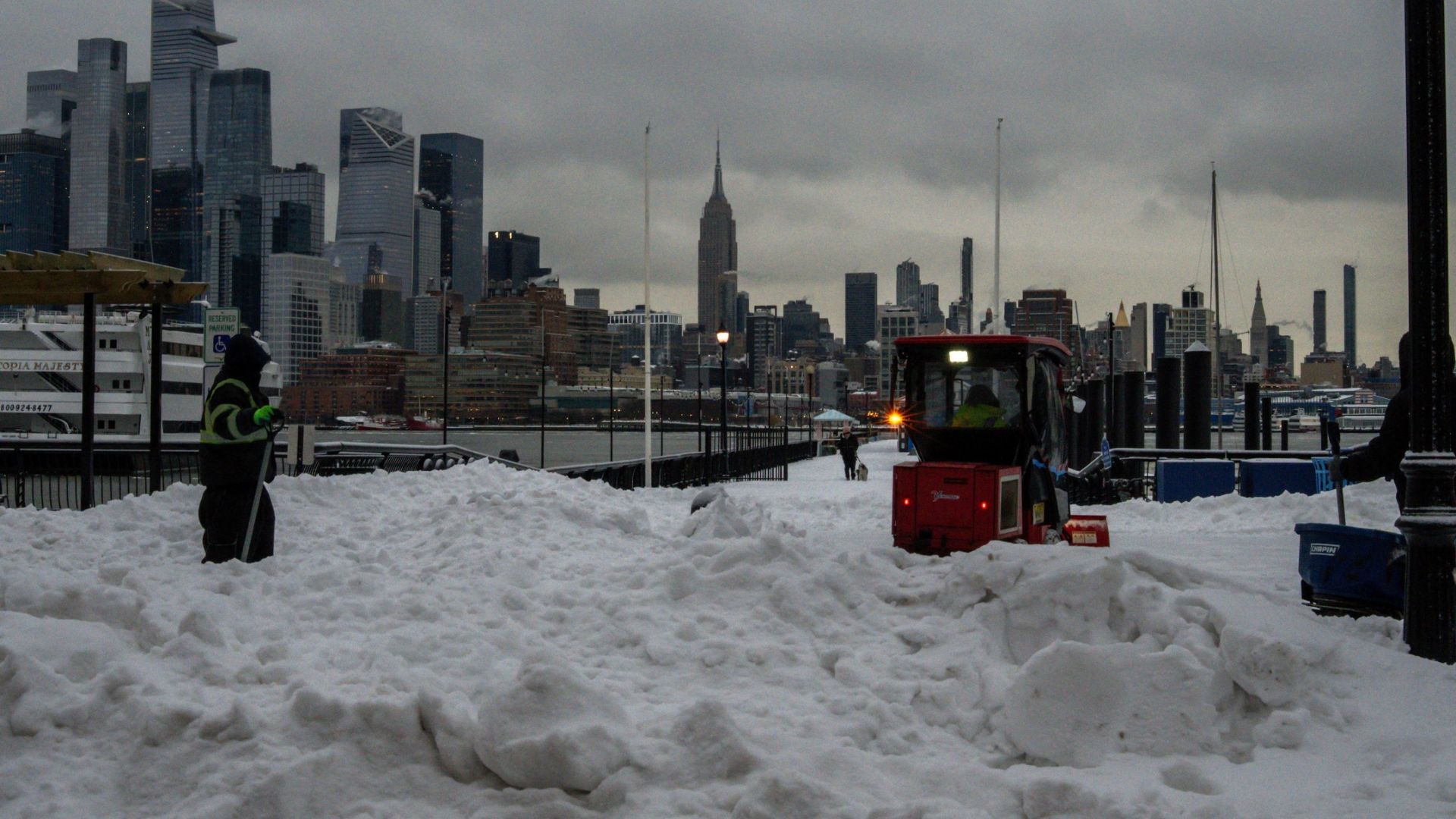

A massive winter storm left at least 18 people dead and triggered emergency declarations in 25 states after blanketing communities from New Mexico to New England with more than a foot of snow. The weather system brought the eastern United States to a standstill on Monday, January 26, 2026, grounding thousands of flights and creating treacherous conditions across a vast geographic area. Communities in states as varied as Massachusetts, New York, North Carolina, and Texas faced the storm’s dangerous aftermath.
The storm hit southern states with unusual severity, delivering winter weather rarely seen in those regions. Ice accumulating to an inch thick toppled trees and knocked out power lines across the Southeast. PowerOutage.us reported nearly 800,000 customers without electricity, with Tennessee accounting for 246,000 of those outages. While the storm system moved off the East Coast into the Atlantic by Monday, forecasters warned that Arctic air flowing south from Canada would keep temperatures dangerously low for days.
Forecasters issued extreme cold alerts covering almost 200 million Americans, from the Canadian border south to the Gulf of Mexico. Temperatures plummeted across affected areas, with Lubbock, Texas, dropping to minus 4 degrees Fahrenheit (minus 20 degrees Celsius) on Monday. Single-digit readings were expected through much of the week in New York City, Washington, D.C., and Boston. Allison Santorelli, a meteorologist with the National Weather Service’s Weather Prediction Center, said the cold would persist into early February.
The Storm Claimed 18 Lives Across Multiple States
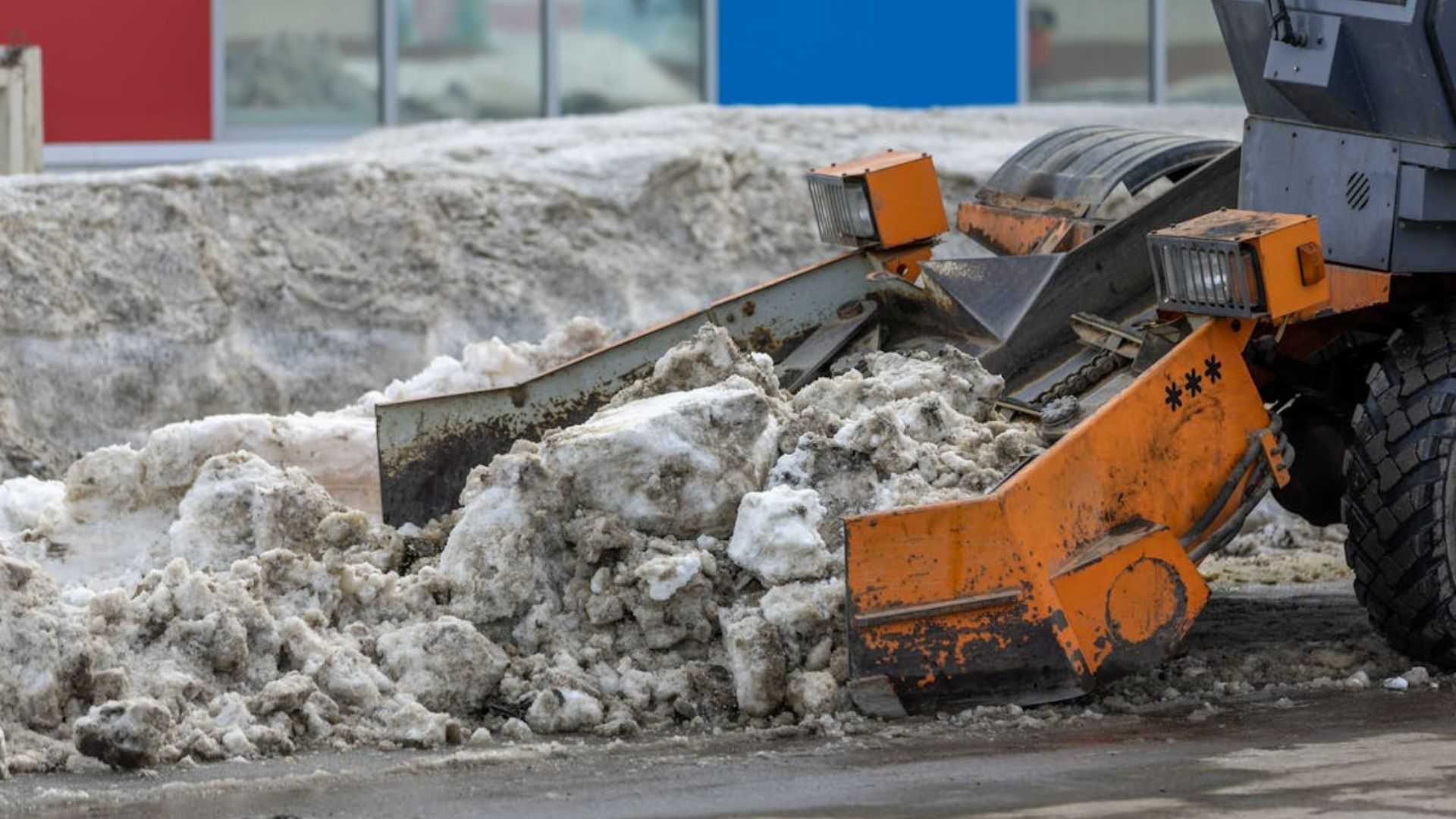
Authorities across multiple states linked at least 18 deaths to the winter storm. A 16-year-old girl died in a sledding accident in Frisco, Texas, on Sunday. In Saline County, Arkansas, another youth was killed when an ATV pulling them over snow and ice struck a tree, authorities said. Local media in Pennsylvania reported that three people died while shoveling snow. The deaths showed the storm’s dangers extended from outdoor recreation to routine tasks.
Authorities in Austin, Texas, said a person died of apparent hypothermia while seeking shelter at an abandoned gas station. In New York City, at least five people died from exposure to the cold, according to Mayor Zohran Mamdani, who spoke publicly about the deaths on Sunday. He called on residents to contact emergency services if they encountered anyone on the streets who appeared to need assistance.
Santorelli warned that the extreme cold would continue well beyond the storm’s departure. “But the big picture story is the extreme cold, it’s lasting into early February,” she said. The prolonged Arctic blast meant sub-freezing temperatures would grip affected regions for several more days. Recovery crews worked to restore power and clear roads in frigid conditions, with ice continuing to cover highways and streets throughout the week.
Air Travel Grounded to a Halt with Over 12,500 Flights Canceled Sunday Alone
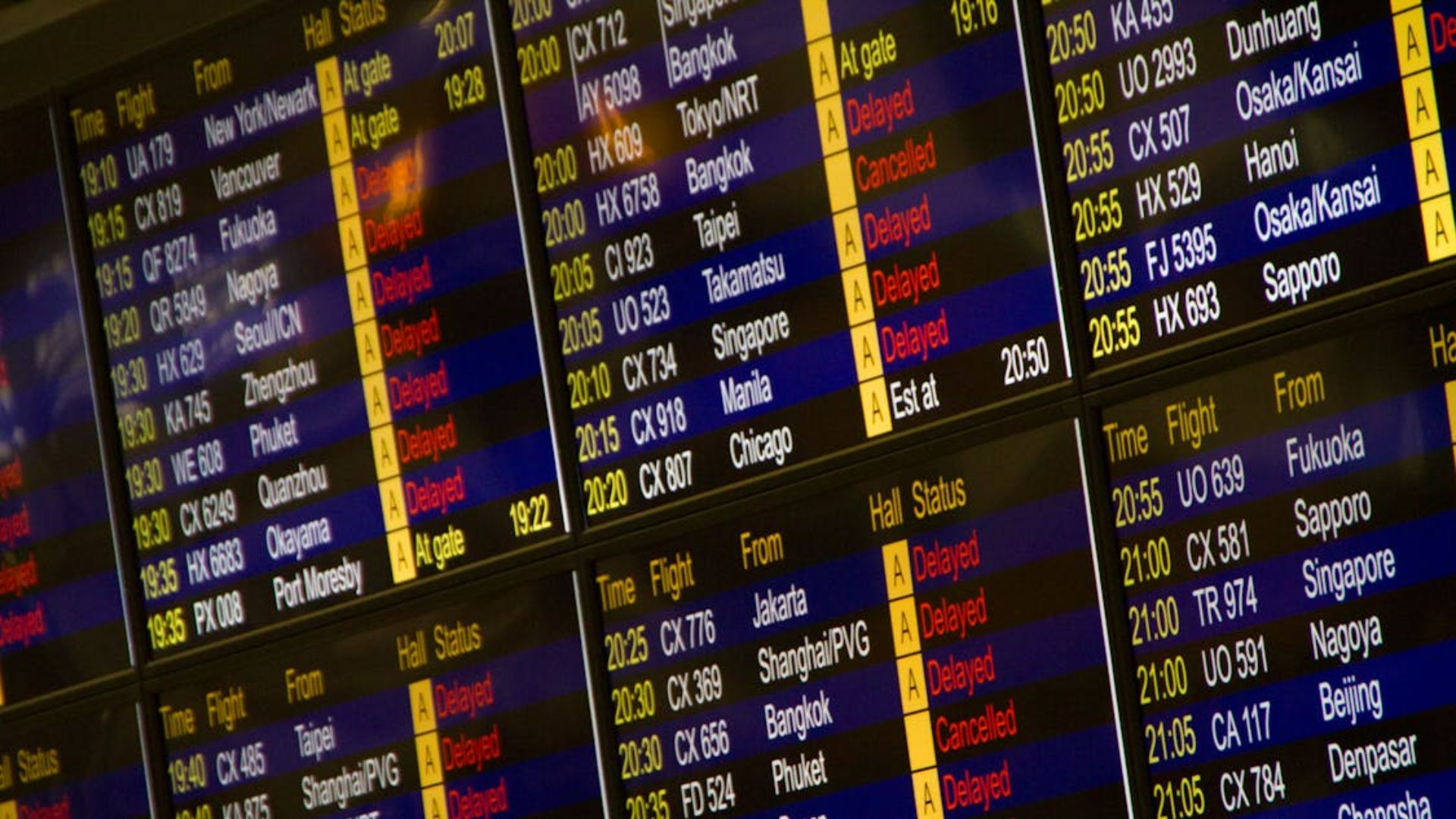
Air travel across the nation ground to a near halt as the storm forced carriers to cancel more than 12,500 U.S. flights on Sunday, marking the highest single-day total since the COVID-19 pandemic began in 2020. The disruptions stranded thousands of travelers nationwide. FlightAware, a tracking website, reported that about 3,900 additional flights within, into, or out of the United States had been canceled by 9:15 a.m. ET on Monday.
U.S. Transportation Secretary Sean Duffy told CNBC he hopes airports will be back to normal by Wednesday. The cancellations spanned the eastern United States, where major airports worked to resume operations. Schools across affected regions closed due to hazardous road conditions. New York Governor Kathy Hochul deployed National Guard troops to assist with emergency response in New York City, Long Island, and the Hudson Valley.
Mayor Mamdani announced schools would shift to remote learning for the day. “I know that this may disappoint some students, so if you do see me, feel free to throw a snowball at me,” he said. The storm’s mix of snow, ice, and freezing rain created dangerous conditions on roads and highways across affected states, making travel treacherous for both vehicles and pedestrians.
Communities Rallied to Help Neighbors as Heavy Snowfall Blanketed Cities
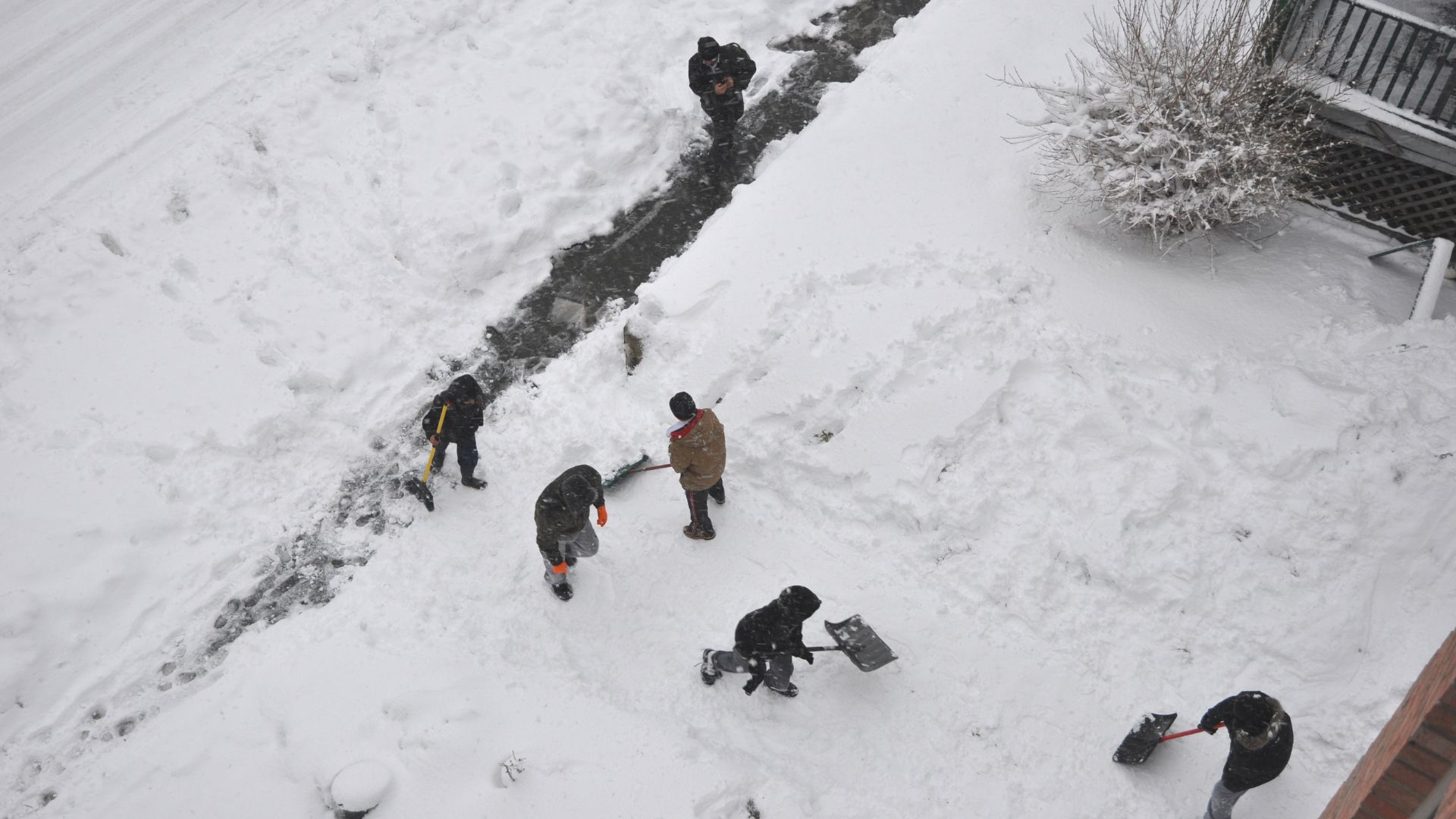
Snowfall amounts varied vastly across affected areas. Bonito Lake, New Mexico, received 31 inches of snow. Central Park in New York City measured 11.4 inches, while Logan Airport in Boston recorded 18.6 inches, according to Santorelli. In Tulsa, Oklahoma, Ryan DuVal took to the icy streets on Sunday behind the wheel of his vintage fire truck, searching for anyone stranded or in need of assistance.
“I just saw a need for getting people out of the cold,” DuVal said. “You know, just cruise the streets, see someone, offer a ride. If they take it, great. If not, I can at least warm them up in the truck and just get them a water, a meal, something.” DuVal’s volunteer work was one example of residents helping neighbors survive the dangerous weather.
The storm brought lighter moments alongside the hardships. A large crowd gathered in Washington, D.C.’s Meridian Hill Park on Sunday for an impromptu snowball fight. On Capitol Hill, families brought sleds, and children rode down the steep slope below the U.S. Congress building. With Arctic air expected to maintain its grip on the nation into early February, communities continued working to restore power and clear roads across affected states.