Gen X Learned Some Life Skills That Are 100% Obsolete Today


Generation X grew up in a world without smartphones, instant search engines, or smart apps, so people in this cohort developed a range of practical abilities that once seemed essential but now feel completely outdated and unnecessary. These skills once helped Gen Xers navigate daily life, stay organized, and solve problems on their own, and they were deeply woven into daily routines long before digital tools simplified every task. Today, younger generations rarely learn these skills because modern technology and changing lifestyles have made them practically irrelevant in everyday life.
Reading a Paper Map While Driving

Before GPS navigation apps and digital maps, Gen X learned how to read and interpret paper maps while driving, which required focus, planning, and the ability to visualize directions mentally. You had to unfold large maps, plan routes ahead of time, and sometimes pull over to reorient yourself when you got lost, turning road trips into strategic adventures rather than just following a blue dot. Today’s drivers can rely on real-time navigation tools that remove the need for this spatial awareness and problem-solving skill.
Using Rotary Phones

Dialing a rotary phone was a slow and deliberate process in which you inserted your finger in the correct hole and rotated the dial for each number, and any mistake meant beginning again from the start. This taught patience and precision, and memorable muscle memory was created simply by making regular calls to family and friends. With modern smartphones and speed dial lists, this method has vanished, leaving many younger people unfamiliar with the experience.
Rewinding VHS Tapes
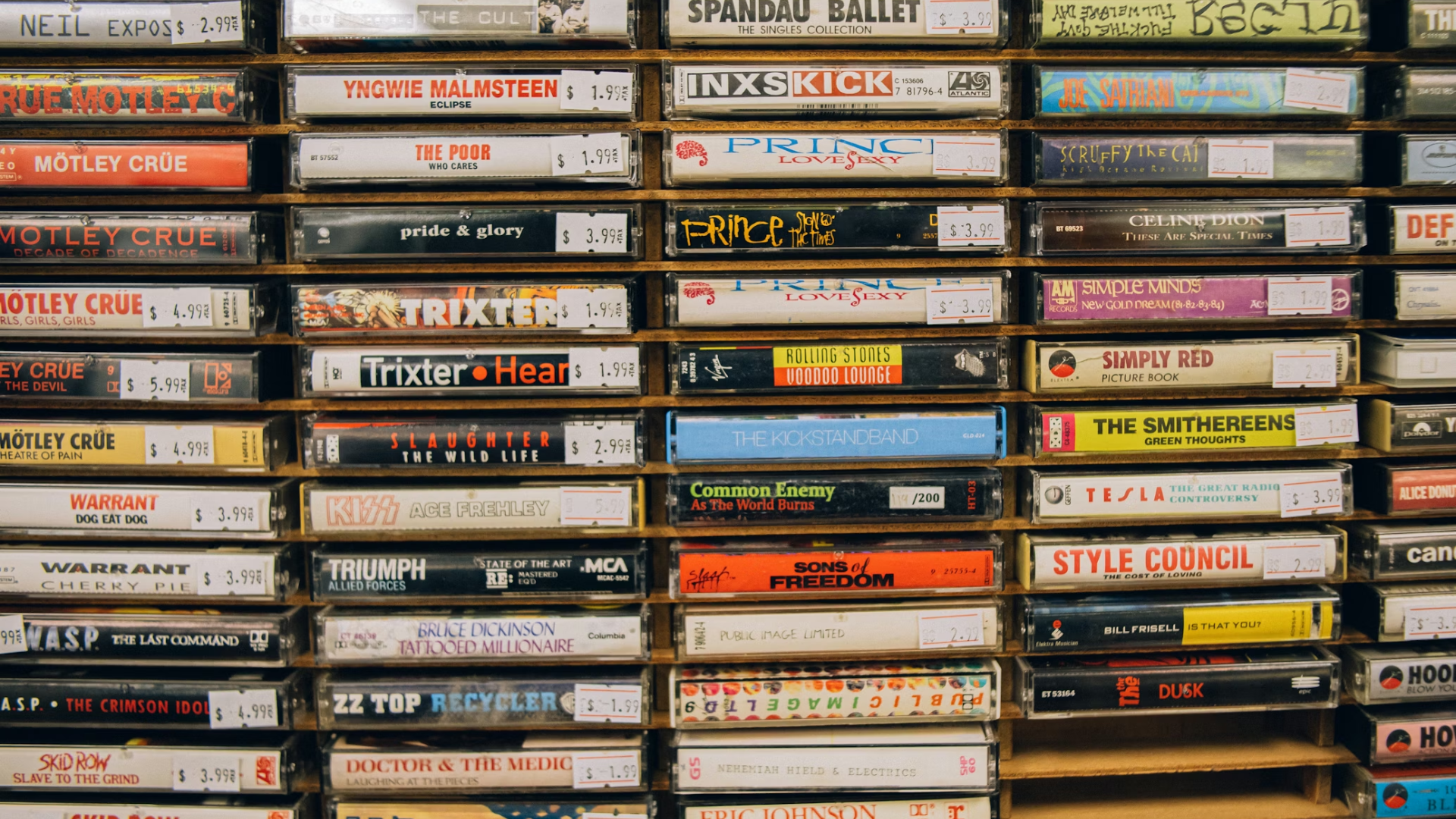
Watching movies on VHS required rewinding the tape after every viewing because rental stores expected tapes returned ready for the next person, and customers often had to wait for the slow mechanical rewind to finish before returning a movie. Some households even owned dedicated rewinding machines to speed up the process and prevent wear on the VCR. Streaming services and digital downloads have now replaced this ritual, making rewinding an unfamiliar concept to most.
Recording Songs from the Radio
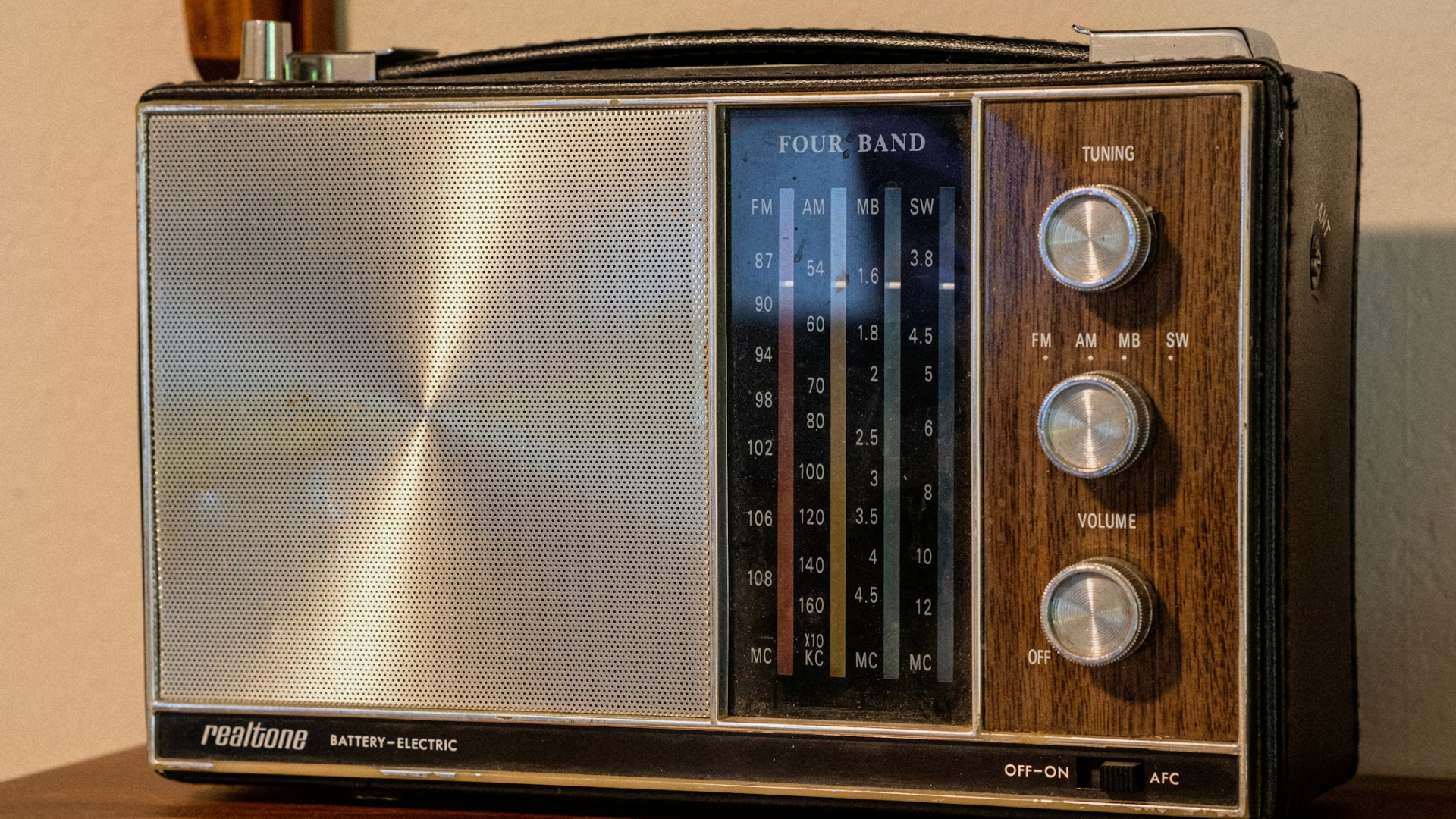
One of the most cherished skills of Gen X was creating mixtapes by recording songs off the radio onto cassette tapes, which required careful timing and patience in hopes the DJ didn’t interrupt the start of a favorite track. Building a good mixtape could take weeks, and often included snippets of radio chatter or advertisements that became part of the tape’s personality. Digital playlists now let listeners instantly compile music without waiting for hours of broadcast.
Using a Card Catalog at the Library

Before computers, finding a book at the library meant searching through a card catalog filled with index cards that listed titles, authors, and call numbers, and then wandering through maze-like stacks to retrieve the book you needed. Understanding the Dewey Decimal System and knowing how to flip through crowded drawers were common skills for school research projects or personal reading. Digital catalogs and search tools have made this process much faster and have nearly eliminated the need for physical card catalogs.
Developing Film Photography

Taking and developing film photos once involved carefully considering each shot because film rolls were limited and developing prints took several days, with the excitement of retrieving tangible photos from the lab. This process shaped how people captured memories and taught them to be thoughtful and intentional about each picture. With digital cameras and smartphones providing instant previews and storage, traditional film development has all but disappeared for most people.
Balancing a Checkbook

Gen X often balanced a checkbook by manually recording every check, deposit, and withdrawal to match monthly bank statements and avoid overdraft fees, which required attention to detail and financial discipline. This regular practice gave people a clear picture of their finances and taught them budgeting fundamentals. Today’s banking apps automatically track balances and transactions in real time, reducing the need for this hands-on skill.
Memorizing Important Phone Numbers
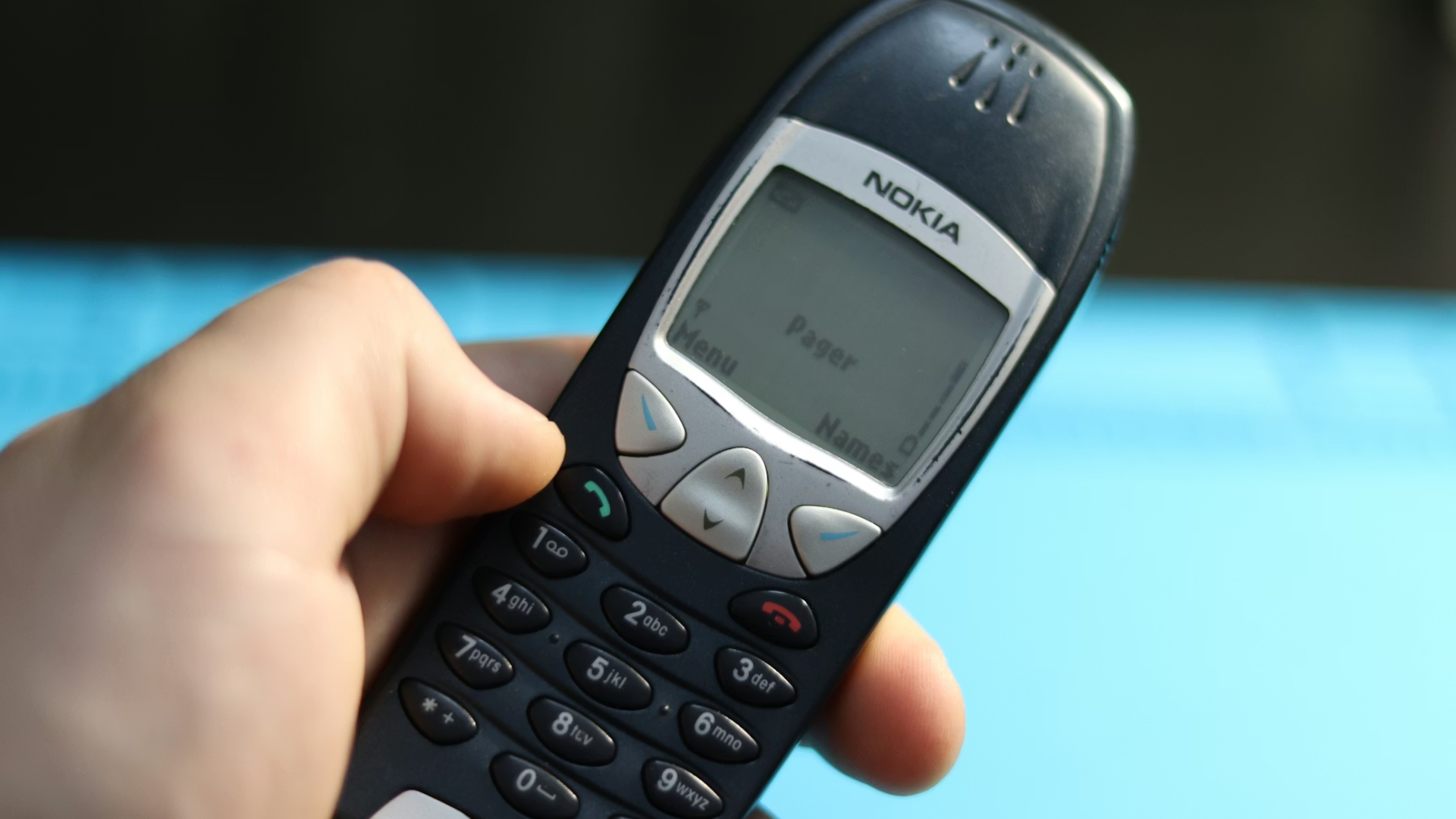
Before cell phones with contact lists and autofill, memorizing important phone numbers was a practical necessity that helped people call family, friends, and services quickly from landlines or pay phones using coins. Knowing numbers by heart became second nature, and individuals often carried mental address books for quick recall. Modern devices now remember numbers instantly, so the need for this kind of memorization has largely faded.
Skills Faded with Digital Innovation
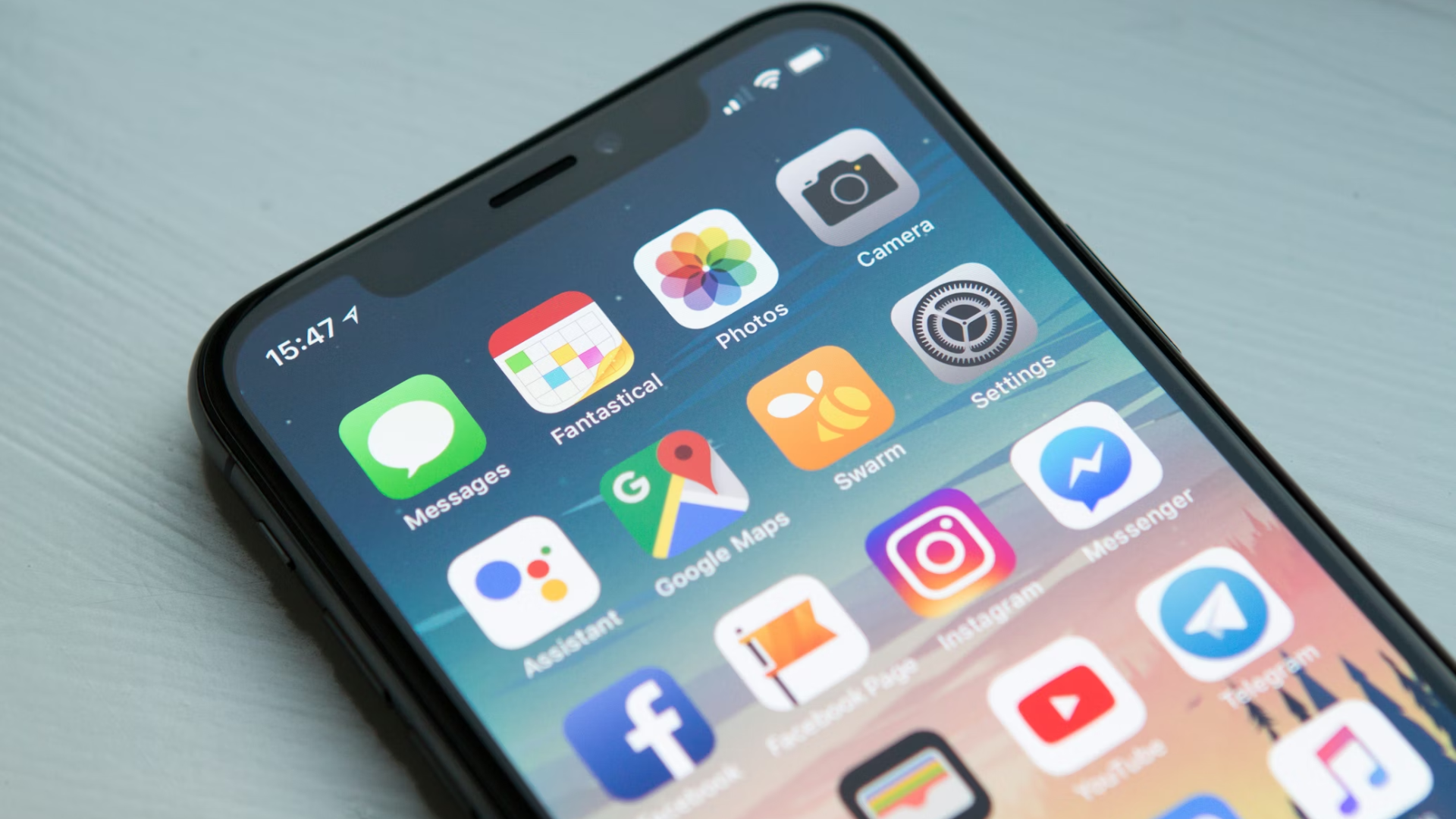
The life skills Generation X mastered have largely faded in relevance as digital innovation transformed how people navigate, communicate, and organize daily life, but these abilities still reflect a generation’s adaptability and resourcefulness. While many are no longer necessary, they shaped real problem-solving and independence that can still be appreciated as nostalgic reminders of how much life has changed. Understanding these obsolete skills highlights the rapid pace of technological progress and the evolving ways in which each generation adapts to new tools and challenges.