New Study Reveals Astronauts’ Brains Show Lasting Changes After Spaceflight


A growing body of research is reshaping what scientists know about how spaceflight affects the human brain. A new study examining astronauts before and after long missions shows that time in microgravity can leave behind structural brain changes that linger well after crews return to Earth.
The Study Behind the Findings
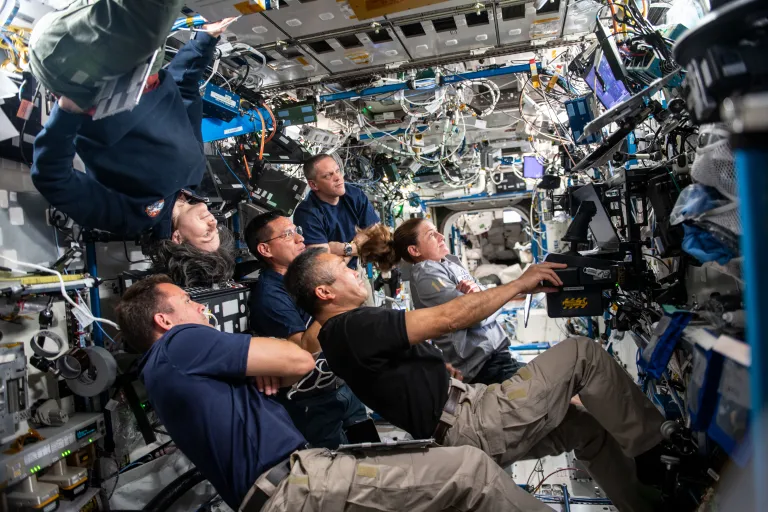
The latest research was published in Proceedings of the National Academy of Sciences by a team led by neuroscientist Rachael Seidler of the University of Florida, working with NASA data. Using MRI scans from 26 astronauts, the researchers tracked how brain position and shape changed following spaceflight. The study also compared astronauts with participants in long-term bed rest experiments that mimic microgravity.
Brains Shift Inside the Skull
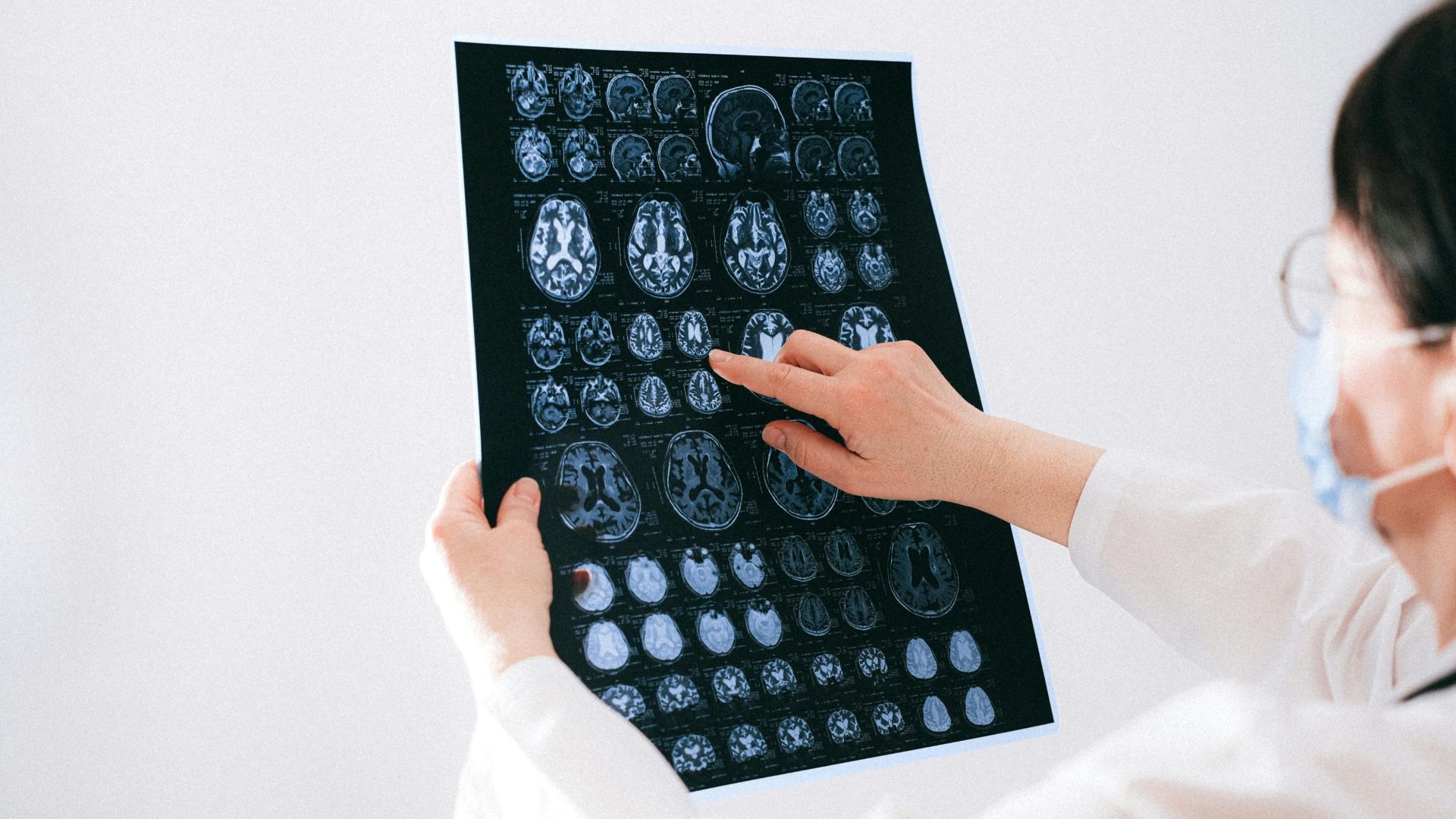
One of the most striking findings was that astronauts’ brains physically shifted upward and backward inside the skull after spaceflight. Writing in the study, Seidler’s team reported that these shifts increased with mission length. Astronauts who spent close to a year in orbit showed the largest changes.
Not Just Movement, but Deformation
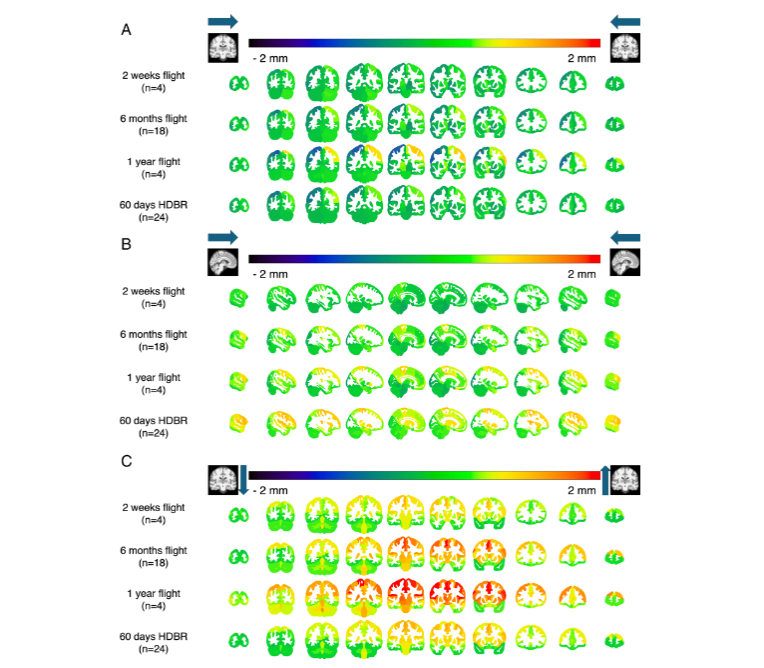
The researchers found that the brain didn’t move as a single unit. Instead, different regions shifted by different amounts, creating subtle distortions across the brain’s structure. The areas responsible for movement and sensory processing showed the most pronounced deformation, according to the PNAS paper.
Why Microgravity Triggers These Changes

In microgravity, bodily fluids no longer pool in the lower half of the body. NASA has long documented how fluids shift toward the head during spaceflight, increasing pressure inside the skull. The new study suggests those fluid shifts may be reshaping brain tissue itself.
Links to Balance and Coordination

The research team connected brain displacement to post-flight balance problems. Astronauts with larger shifts in regions tied to vestibular processing showed greater difficulty maintaining balance after landing. Seidler noted in the study that this relationship helps explain why astronauts often struggle with coordination when they first return to Earth.
Recovery Takes Time

Some brain changes reversed within months, but others persisted. The researchers observed that while vertical brain position largely recovered within six months, backward shifts remained longer in many astronauts. That lingering change suggests the brain may not fully return to its preflight state after extended missions.
Echoes of Past NASA Research

NASA has spent decades studying how space affects the human body, including the brain. In earlier studies, researchers observed changes in brain volume and cerebrospinal fluid after long missions aboard the International Space Station. The new findings build on that work by showing how precise brain regions physically shift.
Implications for Longer Missions
As NASA prepares for missions to the Moon and Mars, understanding long-term brain changes has become more urgent. Writing in NASA’s Human Body in Space overview, agency scientists have emphasized that longer exposure to microgravity introduces risks that don’t appear during shorter missions. The new data adds brain deformation to that growing list.
What This Means for Future Astronauts
The researchers stressed that the findings don’t suggest astronauts suffer brain damage, but rather adaptation. Still, Seidler and her colleagues wrote that these structural changes may influence how astronauts perform physically after flight. Future studies will focus on whether countermeasures like artificial gravity or new training methods can reduce the effects.