New DNA Study Links Human’s Low Pain Tolerance to Ancient Genetic Roots
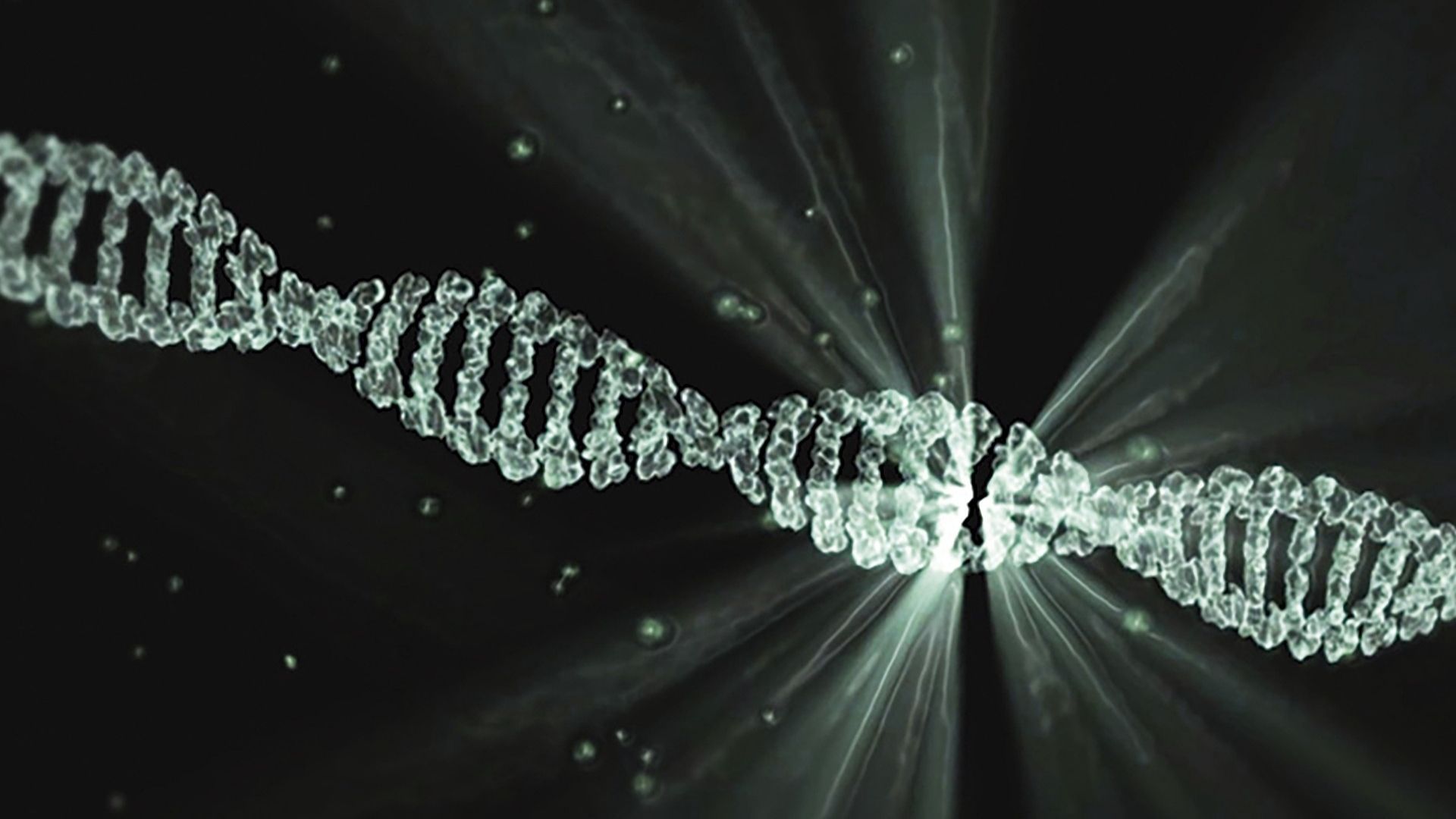

For many people, discomfort during a medical injection or a long tattoo session feels especially intense. According to new genetic research, that sensitivity may have less to do with personal tolerance and more to do with human ancestry. Scientists are now pointing to ancient DNA as a possible explanation for why some individuals experience pain more strongly than others.
Recent findings suggest that inherited genetic traits, shaped tens of thousands of years ago, continue to influence how the human nervous system responds to certain stimuli. These discoveries add another layer to the growing understanding of how deeply the past is woven into modern biology.
The study strengthens the idea that pain perception is not only psychological or cultural, but also biological. By tracing these traits back through human evolution, researchers are uncovering how survival, adaptation, and genetics intersect in everyday experiences.
Neanderthal Interbreeding and Its Genetic Legacy

The research, led by a team of European scientists, connects lower pain tolerance in modern humans to genetic material inherited from Neanderthals. These ancient relatives interbred with early Homo sapiens, leaving behind DNA variations that still appear in parts of the population today.
By analyzing genetic data, the researchers identified specific variants associated with heightened sensitivity to certain types of pain. These variants are believed to have entered the human gene pool during periods of coexistence and interbreeding between the two species.
The findings were published in the scientific journal Communications Biology, contributing to a broader effort to understand how ancient human history continues to shape present-day physiology.
What Neanderthal DNA Reveals About Pain Perception
According to the researchers, Neanderthals themselves may have experienced pain differently than modern humans. Genetic evidence suggests they were potentially more sensitive to specific physical stimuli, although the exact reasons for this remain unclear.
Kaustubh Adhikari, a co-author of the study and a researcher at University College London, explained that scientists are steadily uncovering inherited traits linked to Neanderthal ancestry. These inherited characteristics may have played an important role in adaptation, even if they now present as heightened discomfort.
Further investigation is needed to determine whether these genetic variations once offered evolutionary advantages, such as improved awareness of injury or environmental threats.
Why Ancient Genetics Still Matter Today
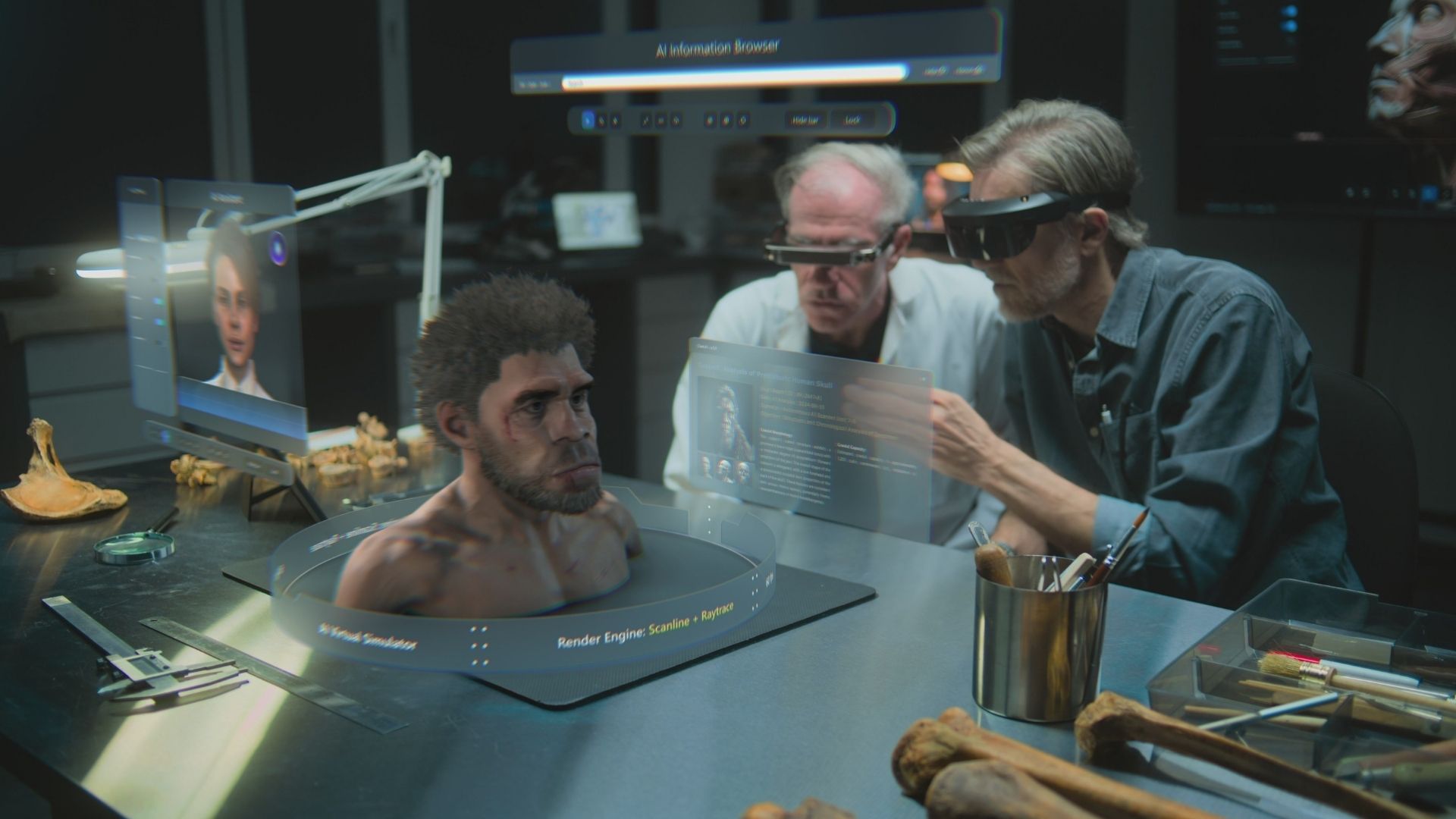
As research into ancient DNA advances, the list of shared traits between modern humans and Neanderthals continues to grow. Pain sensitivity now joins other known similarities, reinforcing the idea that human evolution is a complex story of mixture rather than separation.
These insights also highlight how deeply genetics can influence everyday experiences, from physical reactions to medical procedures to responses to environmental stress.
By continuing to study ancient genomes, scientists hope to gain a clearer picture of how inherited traits affect health, behavior, and resilience in the modern world, offering a more complete understanding of what it truly means to be human.