New Directive Forces Convicted DUI Drivers in California to Make Alterations to Their Cars
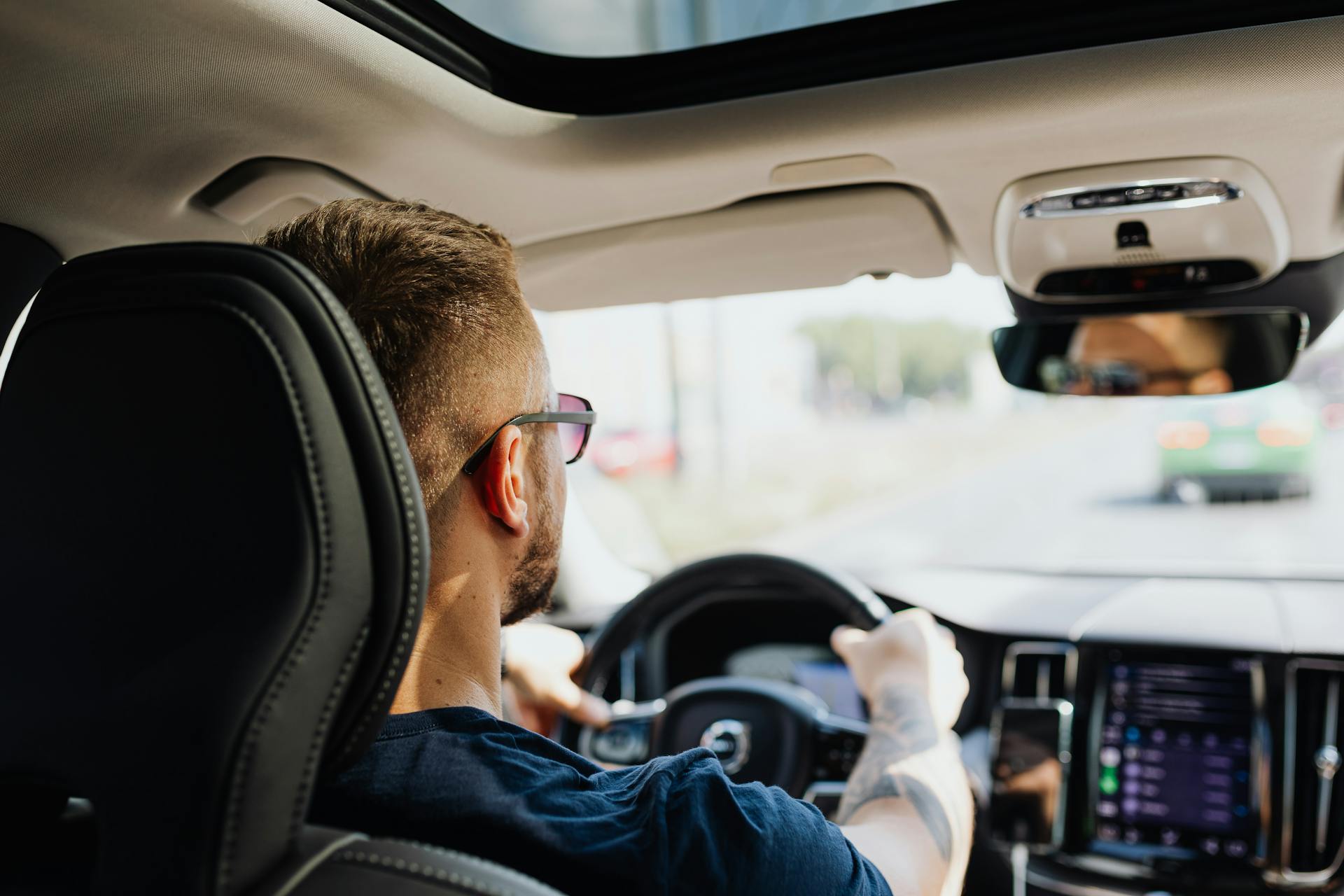

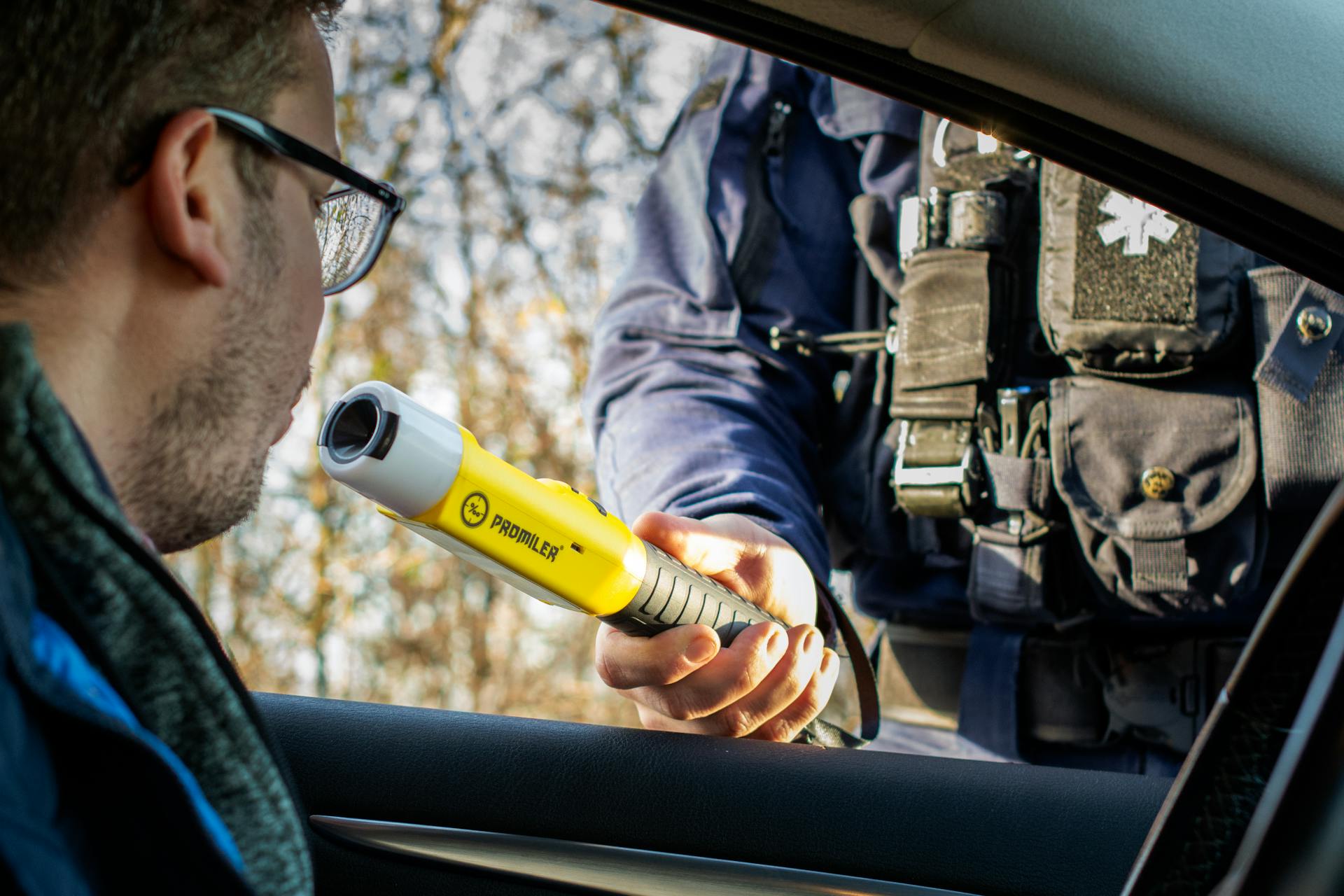
California drivers convicted of DUI are facing a significant change starting in 2026, one that affects not just their licenses but their vehicles. A new directive requires many offenders to install ignition interlock devices, or IIDs, before they can legally drive again. State leaders say the move reflects a tougher stance on impaired driving as alcohol-related deaths continue to climb.
The Rule That Changes the Car Itself
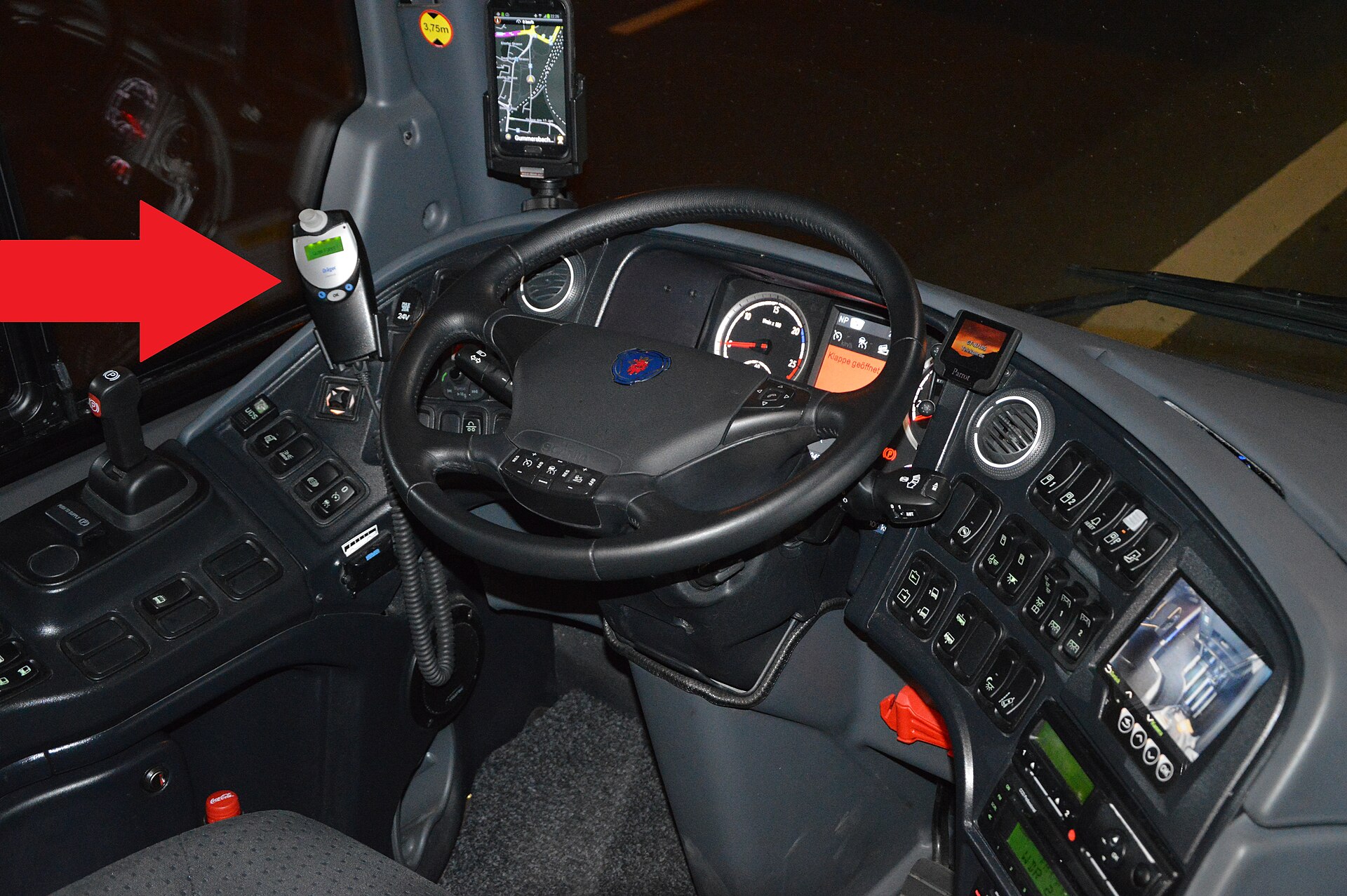
Under the updated law, certain DUI offenders must install a breath-activated ignition interlock device in any vehicle they operate. The device prevents the engine from starting if alcohol is detected on the driver’s breath. Proof of installation is required before the DMV reinstates driving privileges.
How Ignition Interlock Devices Work
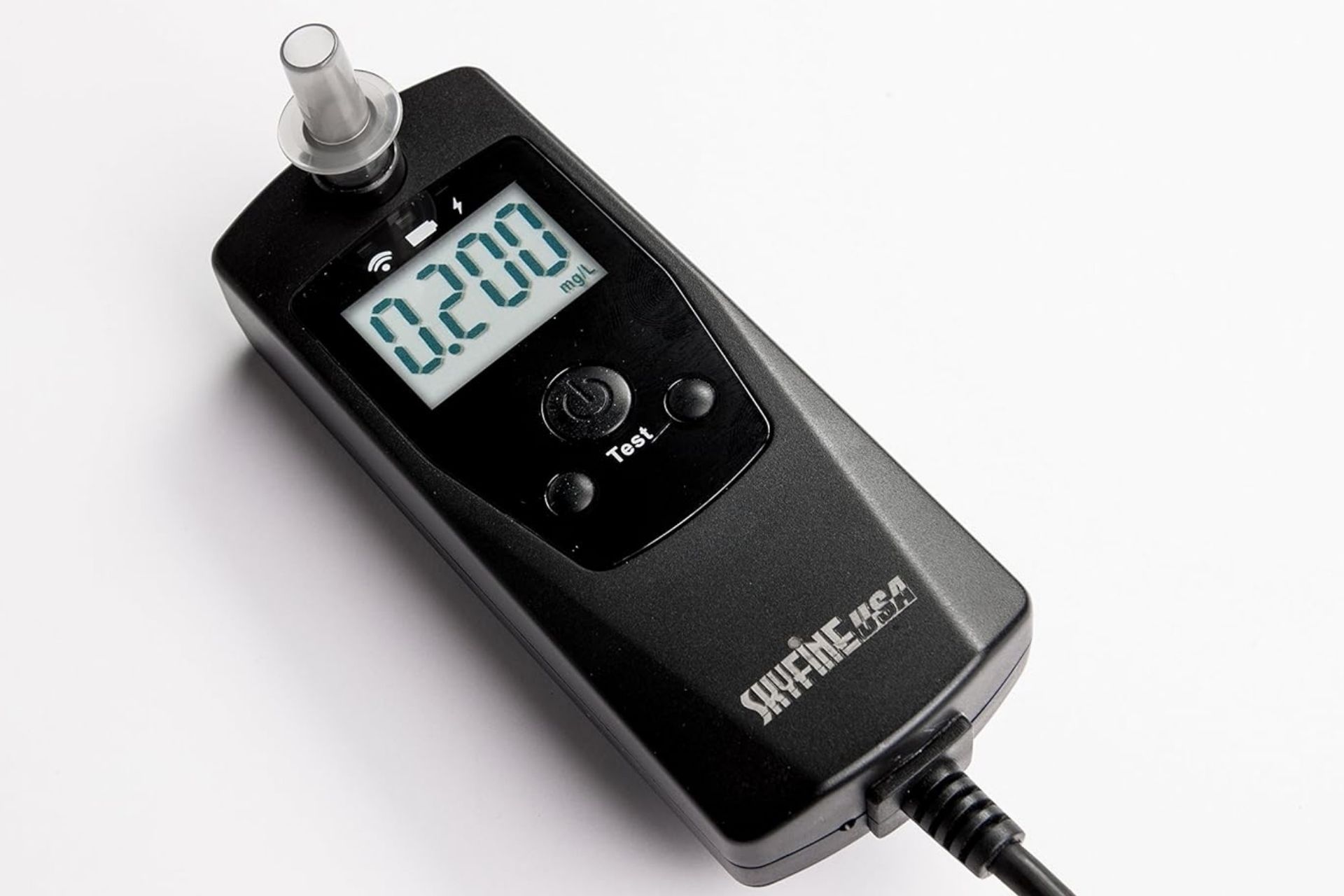
An IID is wired directly into a car’s ignition system and requires a breath sample before startup. Drivers must also provide rolling samples while driving to ensure continued sobriety. The technology has been in use for years, but California is expanding when and how it’s required.
Why California is Tightening Enforcement
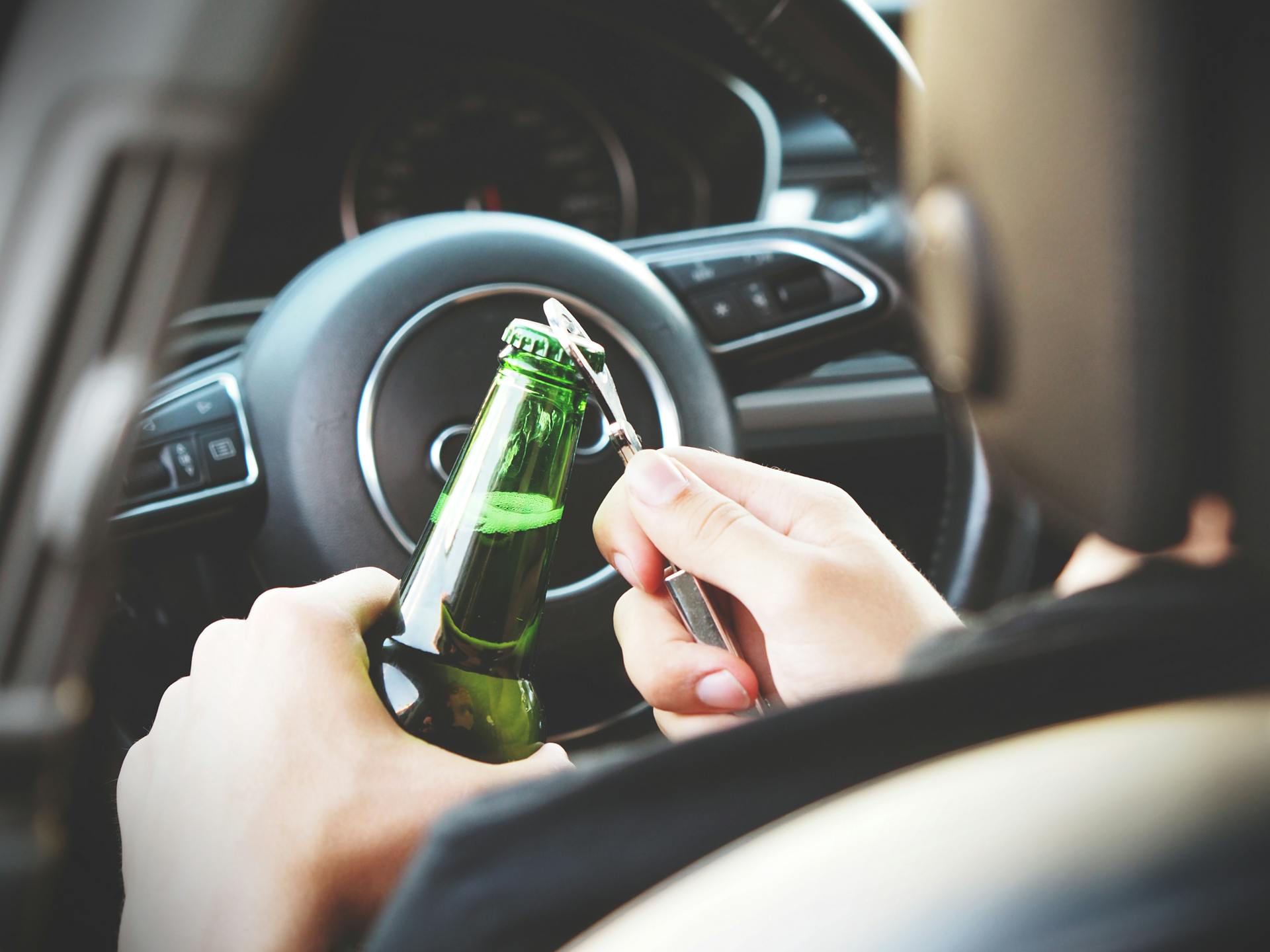
Alcohol-related roadway deaths in California have risen more than 50 percent over the past decade, according to state and federal data. Investigations by CalMatters and ABC7 found repeat DUI offenders are frequently involved in fatal crashes and often face limited consequences until tragedy occurs. Lawmakers say the numbers made inaction harder to justify.
The Role of Assembly Bill 366
The expanded IID mandate is shaped by Assembly Bill 366, authored by Assemblywoman Cottie Petrie-Norris. The bill passed with unanimous support and removes judicial discretion that previously allowed some offenders to avoid installing the devices. Supporters argue the change closes enforcement gaps that weakened earlier DUI laws.
Who Must Install a Device
The requirement applies broadly to drivers convicted of DUI involving alcohol, including repeat offenders and those involved in injury-related cases. First-time offenders may also face IID requirements depending on the circumstances of their arrest. The DMV outlines specific timelines that range from months to several years based on prior convictions.
What Happens if Drivers Don’t Comply
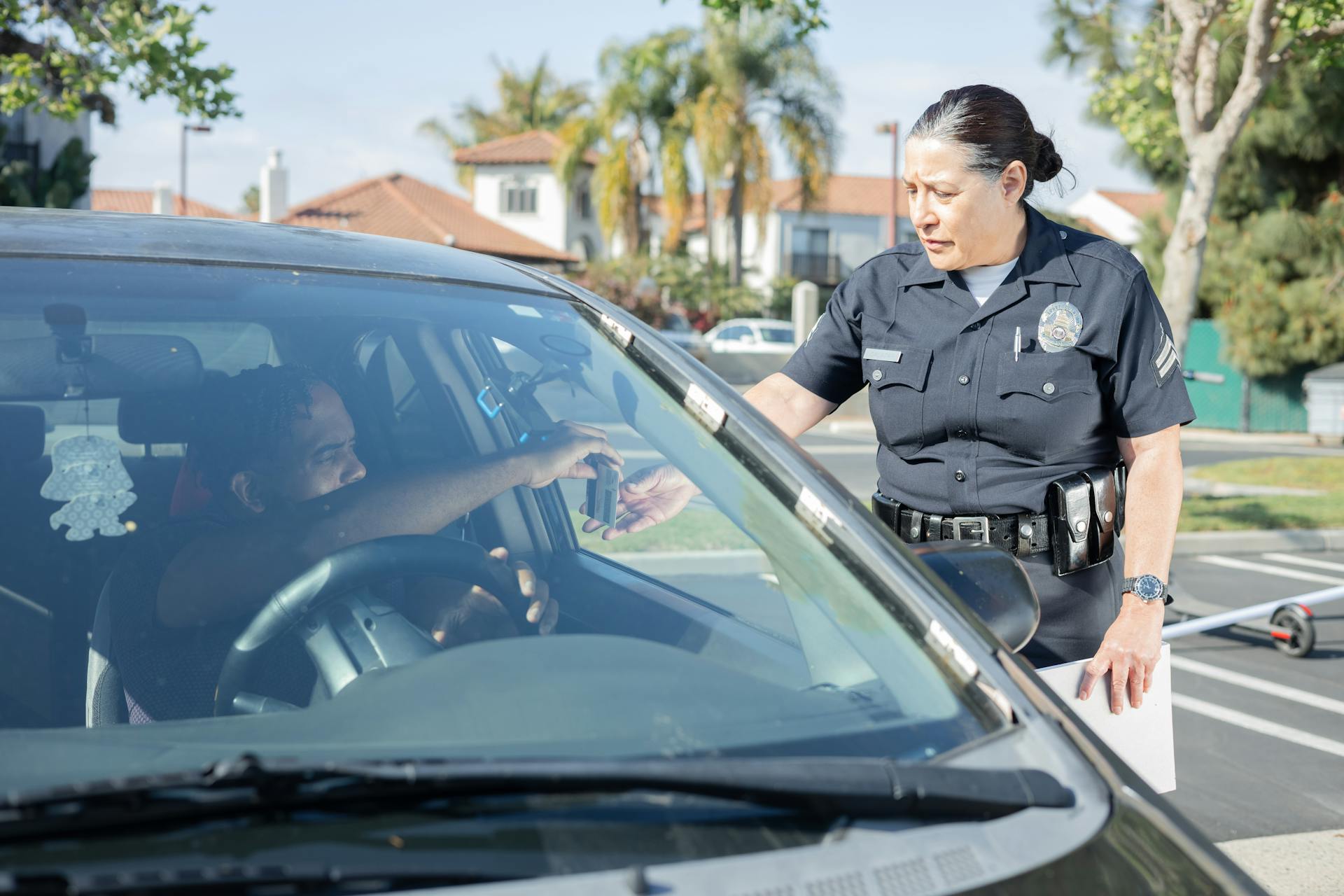
Drivers who fail to install an IID cannot legally regain full driving privileges. Without proof of installation, licenses remain suspended or restricted. Law enforcement agencies have signaled increased compliance checks as the 2026 rules take effect.
Evidence That the Devices Reduce Risk

State reports show IIDs blocked more than 30,500 attempts to drive under the influence in California in a single year. States with all-offender IID laws have seen measurable declines in DUI-related fatalities. Advocates say the technology stops impaired driving before it begins, rather than relying on punishment after the fact.
Critics and Practical Concerns
Some critics raise concerns about cost, maintenance, and the burden placed on lower-income drivers. Others question whether technology alone can fix deeper issues in DUI enforcement. Lawmakers acknowledge the concerns but say the cost of inaction has proven far higher in lives lost.
What This Means for California Drivers
For convicted DUI drivers, the change marks a shift from temporary punishment to long-term prevention. For the state, it signals a move toward technology-based enforcement after years of criticism that California’s DUI system was too lenient. Officials say the goal is not to punish indefinitely, but to make sober driving unavoidable.